
 Business License

Copper bar specifications and temperature rise level
The specifications of copper bars are directly related to the temperature rise. If the cross-sectional area of the copper bar is large, the resistance will be small, and the self heating will be small, resulting in a low temperature rise.
But it doesn't mean that if I use copper bars with a large cross-sectional area, the temperature rise won't exceed the standard. The heating and cooling of switchgear is a complex system engineering, and the temperature rise is the result of the balance of heating and cooling at various points, that is, the balance between the heat generated and conducted in at a certain point we are monitoring, the convective radiation of itself, and the heat exported externally.
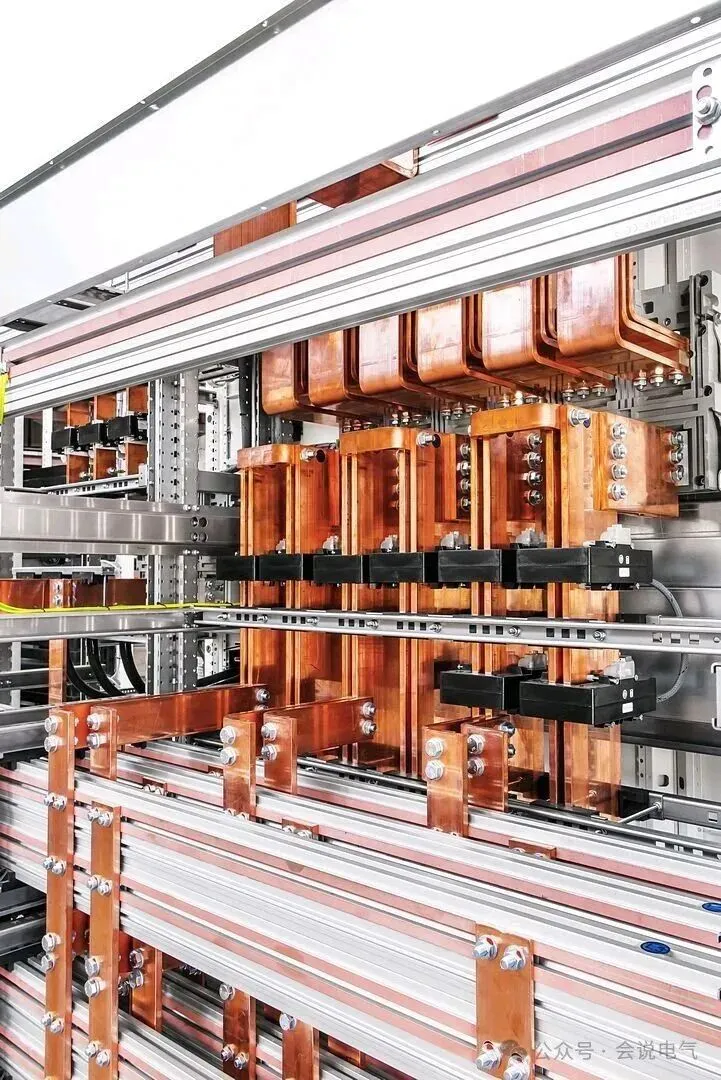
The final temperature rise is the temperature at a certain point, not the temperature of the entire switchgear. At this point, the temperature rise may be high due to the large amount of self heating or the large amount of heat conducted in while the amount of heat emitted is small.
A typical point is the contact position of a circuit breaker. The contact has a high dynamic connection resistance and generates a huge amount of heat. However, the contact is located in a small space with poor heat dissipation conditions, so the heat is trapped inside and the temperature rise will be very high.
For this point, it is difficult to reduce the heat generated by the contacts. Even if the resistance of a high current circuit breaker decreases by a slight ohm, if the external heat dissipation is not good, the effect will not be significant.
Effective measures include increasing air convection effect, and the circuit breaker mounting plate must have ventilation holes corresponding to the bottom ventilation of the circuit breaker to ensure that cold air flows in from the bottom and carries away heat before exiting.
Appropriately increasing the specifications of copper bars, the theoretically calculated specifications of copper bars will no longer work. At this point, copper bars not only generate less heat themselves, but more importantly, dissipate heat. Heat conduction is a very effective way of heat dissipation, and copper bars can also serve as functional units of heat sinks to increase convection and external radiation effects. If the copper bar is increased by one piece or the specification is increased by 25%, such as increasing the copper bar from 6 × 100mm to 6 × 125mm, please note that it is only for the contact connection copper bar, and the horizontal busbar and outgoing copper bar do not need to be increased.

For temperature rise, in addition to almost all points of the entire switchgear exceeding the standard, it is actually more about making up for where it cannot be done, in order to economically and efficiently solve the problem of temperature rise exceeding the standard.
Therefore, without experimental verification, it is not credible to rely solely on the specifications of copper bars. The specification of copper bars is not only based on the cross-sectional area, but also on the surface circumference, that is, the surface area. A larger surface area results in a larger heat dissipation area and greater external heat radiation.
There is also the shape, as the alternating electromagnetic effect causes the current to tend towards the surface of the conductor, resulting in a thick conductor and a small distribution of central axis current, leading to a high resistance, that is, the alternating current resistance is much greater than the direct current resistance. Therefore, the thin-walled copper bar has a low alternating current resistance, naturally resulting in less heat generation and a corresponding increase in heat dissipation area. Round tube, C-type, D-type busbars have low AC resistance, high conductivity, high current carrying capacity, and low heat generation and temperature rise under the same cross-sectional area.
The temperature rise of copper bars arranged horizontally or vertically will also be different. The temperature rise of busbars arranged vertically is 20% lower compared to those arranged horizontally. The design of the inlet and outlet air of the switchgear will also directly affect the temperature rise of the switchgear. A 500mm2 inlet and outlet area that increases air convection compared to a 100mm2 inlet and outlet area can reduce the temperature rise by more than 5k.
Therefore, it is unscientific to simply say that using copper bars with a cross-sectional area that meets the standard will not cause problems in temperature rise. It is necessary to comprehensively consider the differences in the internal layout, ventilation design, and copper bar position and shape of the switchgear. Based on temperature rise test data, a scientific model should be established to develop copper bar designs for specific cabinet types. It is necessary to increase the cross-sectional area of the copper bar appropriately, while in some places such as near the air inlet, the size of the copper bar can be reduced, and suitable shaped copper bars should be selected to achieve maximum utilization efficiency of the copper bar and uniform distribution of overall temperature rise.
Recently Posted
-
Atmospheric correction of insulation withstand voltage test values for North American switchgear
September 22, 2026The insulation test of the North American medium voltage air insulated armored switchgear standard IEEE C37.20.2 follows the IEEE Read More
 -
Application of Medium Voltage Switchgear for Low Voltage Transformers
September 21, 20261. What is a low-voltage through core current transformer?The function of a current transformer (CT) is to convert high current in Read More
 -
High voltage current limiter
September 21, 2026High voltage current limiter is a special type of current limiting fuse that meets the high current application requirements diffe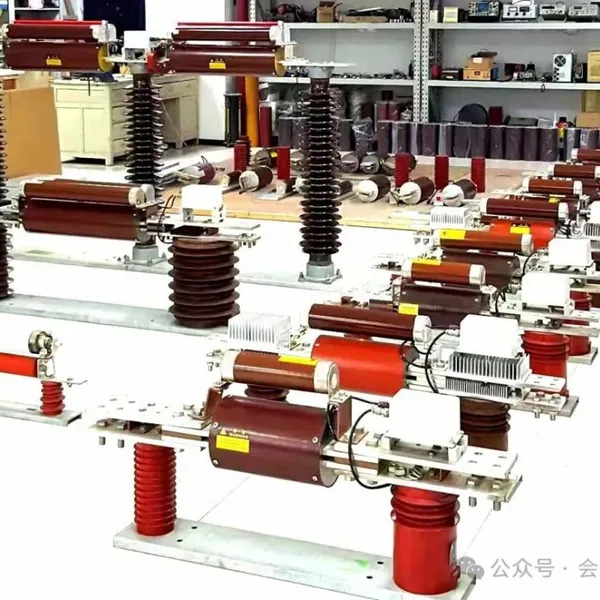 Read More
 -
Medium voltage MCC motor control cabinet
September 17, 2026Regarding the arcing of medium voltage FC switchgear, F-C refers to the combination of contactor and fuse. FC is mainly used for motor protection, and the contactor has a long electrical life of at least 300000 times, suitable for frequent operation. Fuses are used for overload protection. FC is widely used in steel mills, chemical plants, coal-fired power plants, ships, and offshore oil platforms. In these situations, the shRead More

Contact Us
Recommended Products
-
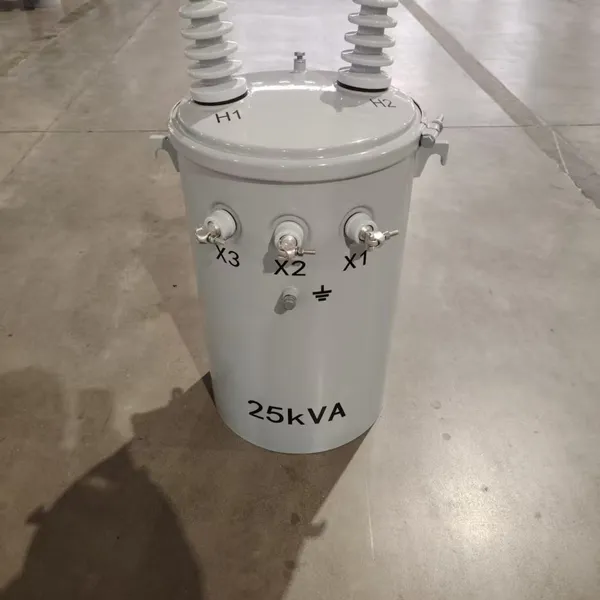
 Single Phase Oil Immersed Transformer 10KVA 15KVA 25KVA 37.5KVA Standard CompliantNegotiableMOQ: 2 Units
 -
Electrical Arc Furnace Transformers up to 120MVA - Certified for Steel Industry ApplicationsUS$ 8000 - 10000MOQ: 1 Unit
-
3-Phase Oil Type Transformer 5-Year Warranty With Load Test ReportUS$ 5428 - 5628MOQ: 1 Unit
-
Three Phase Oil Filled Transformer for Mining Operations Dust-Proof DesignUS$ 5428 - 5628MOQ: 1 Unit
-
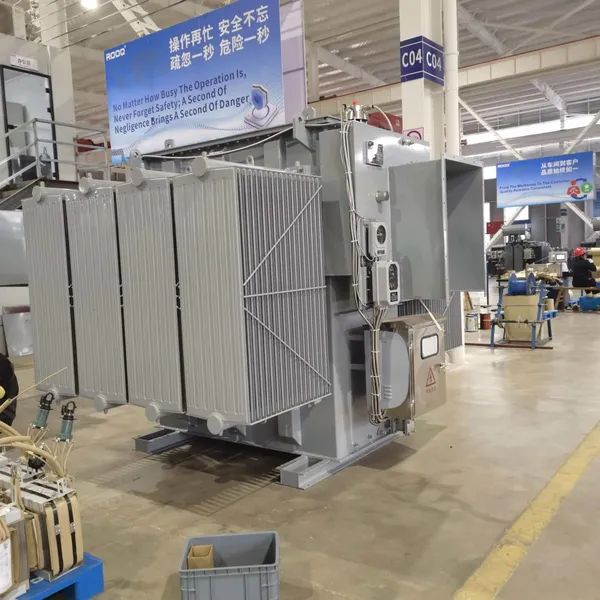
HV Three Phase Oil Filled Transformer With ONAN Cooling 500kVA-2500kVAUS$ 5428 - 5628MOQ: 1 Unit
-
11/24/33KV High Voltage Isolation Switch With Mill Test ReportUS$ 800MOQ: 1 Unit
-
3-Pole Outdoor Isolation Switch With 5-Year Warranty and Compliance TestingUS$ 800MOQ: 1 Unit
-
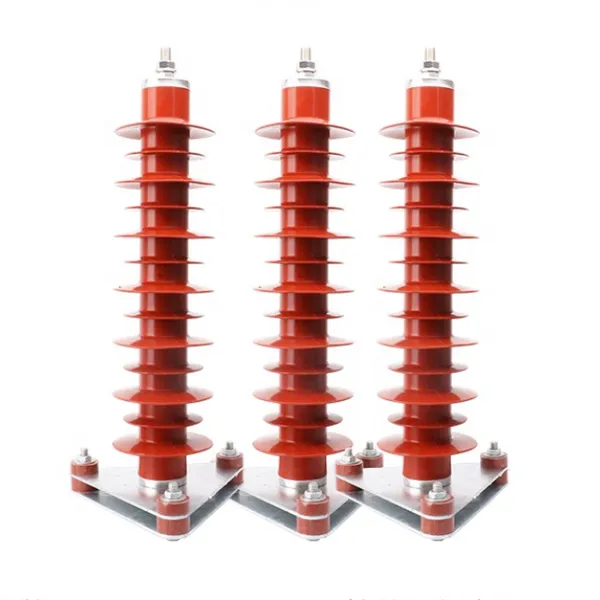
YH5WZ 3KV-110KV Zinc Oxide Arrester for Power Station Outdoor High Voltage DistributionUS$ 21MOQ: 100 Units
-
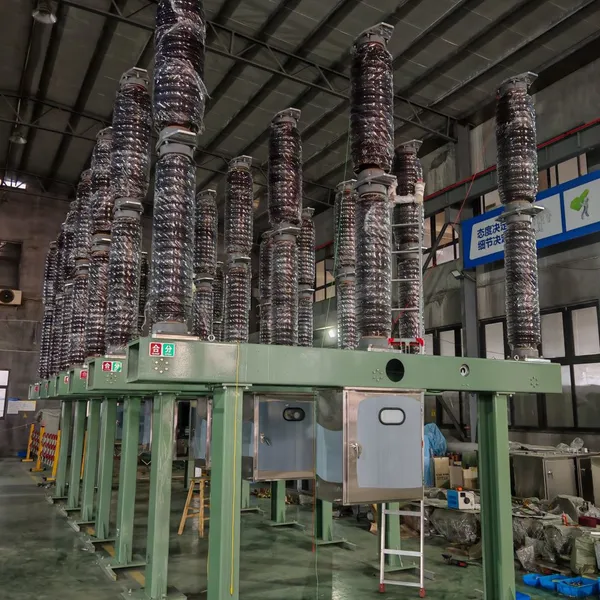
Outdoor SF6 Load Break Switch LW30-72.5/1250A 24KV 630A 16KA Three PhaseUS$ 10000MOQ: 1 Unit
-
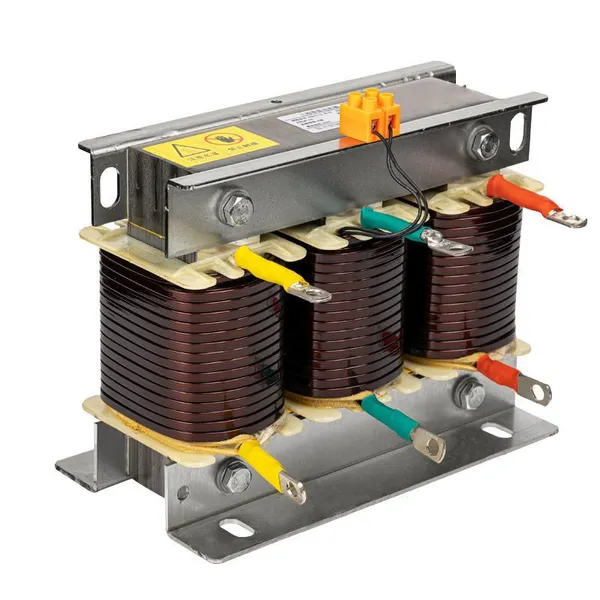
Input Line Reactor for CNC Machine Frequency Converters, 400V 60HzUS$ 65MOQ: 5 Units
-
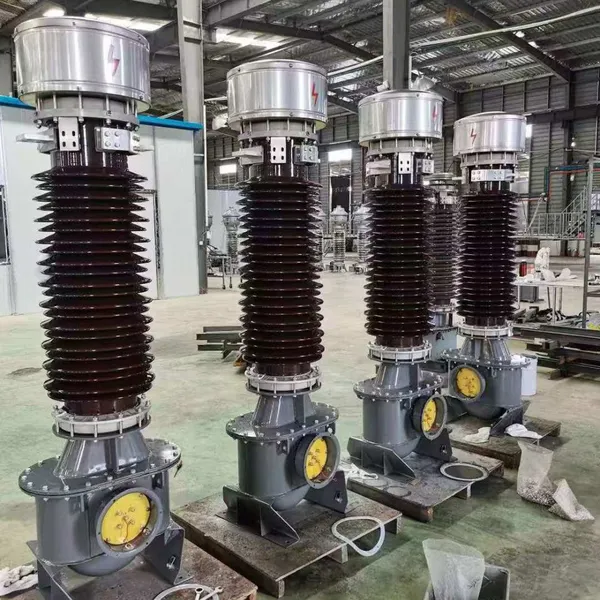
Industrial Grade 35-220KV Oil-Immersed Current Transformer for SubstationsUS$ 480 - 500MOQ: 3 Units
-
LZZBJ9-20 Indoor 24kV High Voltage Cabinet Single-Phase 5-20 for Industrial Power SystemsUS$ 250MOQ: 3 Units
-
17.5 KV Full-enclosed Outdoor Epoxy Resin Casting and Double Pole Insulated Voltage TransformerUS$ 90 - 100MOQ: 1 Piece
-
Three Phase 30kVA SVC Voltage Regulator for Textile Manufacturing, Stable OutputUS$ 159MOQ: 10 Units
-
Amorphous Core 25kVA Transformer Compliant With IEC Standards for Power DistributionUS$ 1300 - 2900MOQ: 2 Units
-
CHINT NM8NDC-630 DC 1000V/Ui High-Voltage Circuit Breaker With 630A Frame CurrentUS$ 425 - 625MOQ: 100 Units
-
High Voltage Drop Out Fuse Cutout 33KV 27KV 24KV for Overhead LinesUS$ 35MOQ: 100 Units
-
TVR-10 KVA Automatic Voltage Stabilizer 220V ±0.5% Accuracy for Laboratory InstrumentsUS$ 103 - 123MOQ: 1 Unit
-
Universal 5000VA Voltage Transformer for International Appliances 110V-220VUS$ 102 - 107MOQ: 10 Units
-
500kV Three-Phase Oil-Immersed Auto Transformer 250MVA for Power GridsUS$ 800 - 9000MOQ: 1 Unit