
 Business License

Standard compliance
The previous netizen said: I think there are printing related standards on the product brand, so I think this equipment has passed relevant experiments. If there is an electrical failure in this cabinet within the range of standard experimental values, resulting in equipment damage and personal injury, I think this equipment is a quality problem that did not meet the factory standards,
The standard certification on the nameplate of the distribution cabinet cannot be casually written on and sold, right?
Regardless of the product, since the nameplate indicates compliance with the standards, it is necessary to fully comply with the standards, and compliance with the standards is the top priority. And type testing is the most crucial step in verifying compliance with standards. Type testing and verification according to product standards are mandatory requirements for products entering all markets, and certification is not mandatory.
Currently, many projects may not have test reports or only have P test reports, especially for foreign projects that do not conduct tests according to IEC standards or other national standards,
The product has its own standards, which clearly stipulate the design verification and type testing of the product. The product must pass type testing before it can be applied to engineering projects.
Different regions and countries have different standards, which are based on local power system parameters, safety requirements, and practical application requirements. This is not self talk, claiming satisfaction without experimentation is unscientific.
As with IEC and GB standards, it is not possible to apply them directly without conducting tests. Three or four years ago, many foreign manufacturers applied switchgear to domestic projects with different insulation voltages. Even if the rated voltage of 17.5kV switchgear in foreign countries is different, it cannot be directly used as a 12kV switchgear because the power frequency withstand voltage corresponding to 17.5kV in IEC 62271-1 standard is 38kV, while the 12kV power frequency withstand voltage specified in GB11022 standard is 42kV. Many foreign products fail the tests.
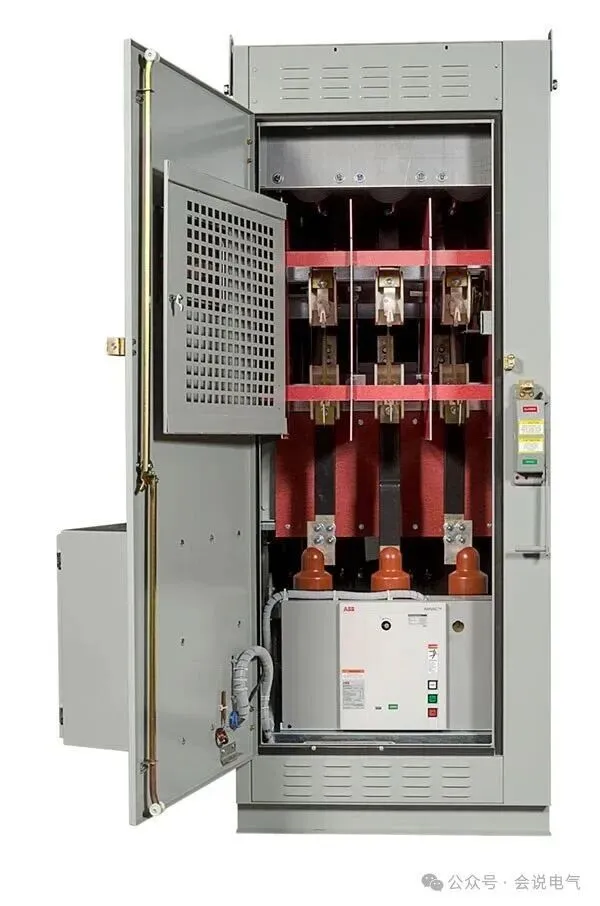
There is also a difference in grounding systems. In China, medium voltage adopts a neutral point ungrounded system, while in foreign countries, a neutral point firmly grounded system is generally used. Therefore, domestic standards require a different phase ground fault test, with a test current of 87% of the short-circuit breaking current and a voltage of the rated voltage. For foreign grounding systems, a single-phase grounding fault test is required, with a test current of 100% short-circuit current and a test voltage of 0.577 times the rated voltage. In addition, the first open pole coefficient for breaking short-circuit current is different.
If it is necessary to meet the parameter requirements of multiple standards simultaneously, the testing institution needs to integrate the test parameters according to the standard definition, and complete the tests that meet multiple standards simultaneously with the minimum number of projects/times, such as the 50/60Hz, grounded system, and non directly grounded system short-circuit current tests, according to the standards and STL guidelines.
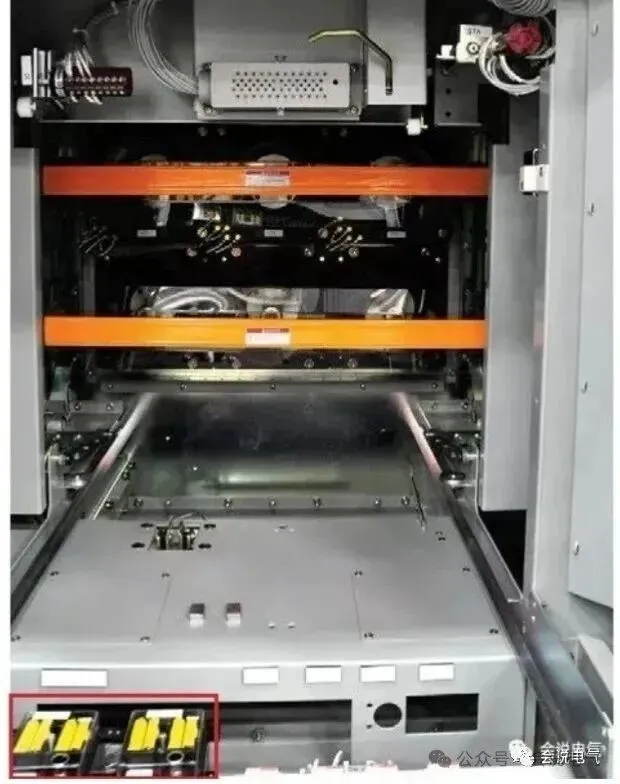
Some parameters must be verified through experiments and cannot be self proclaimed. It is not simply a matter of high voltage replacing low voltage. For example, in China, 12kV switchgear is used for 8.25kV in North America, and the corresponding lightning impulse withstand voltage for 8.25kV is 95kV, which is higher than the 75kV requirement for 12kV.
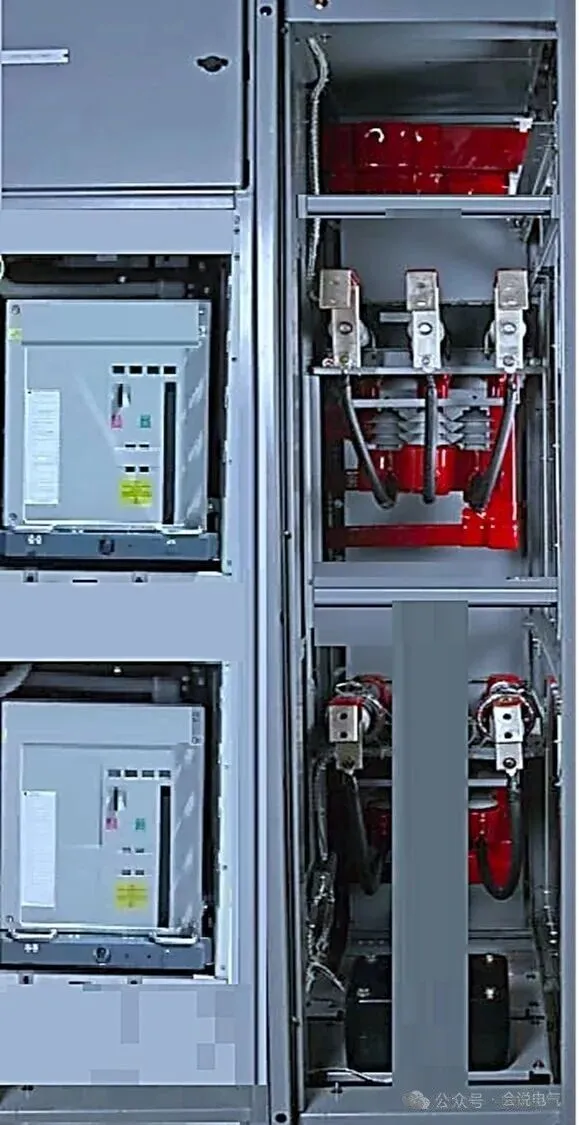
In addition to parameters, product structure requirements, performance requirements such as steel plate thickness, material performance requirements, etc., even without the need for testing, still need to meet standards in design, material selection, and process. The installation of American standard circuit breaker opening and closing auxiliary switches on compartments (MOC) is not simply a difference in design, but a difference in standard requirements.
The standards for American standard metal armor and metal enclosure are different, corresponding to different products. According to the standards, simplicity is required, and if complexity is needed, complex design must be followed. Metal enclosure does not require independent compartments, while metal armor needs to ensure continuous operation requirements. The medium voltage switchgear maintained in front of the cabinet cannot claim to comply with the IEEE C37.20.2 armored switchgear standard, but can only be executed according to the IEEE C37.20.3 box type switchgear standard.
Recently Posted
-
Application of Medium Voltage Switchgear for Low Voltage Transformers
September 21, 20261. What is a low-voltage through core current transformer?The function of a current transformer (CT) is to convert high current in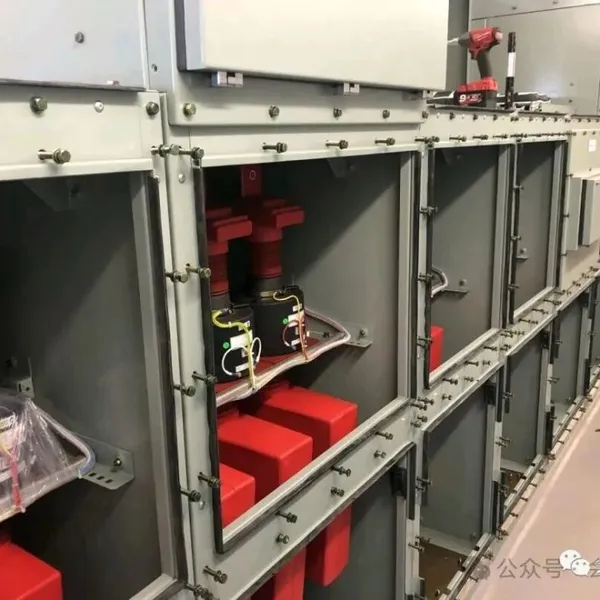 Read More
 -
High voltage current limiter
September 21, 2026High voltage current limiter is a special type of current limiting fuse that meets the high current application requirements diffe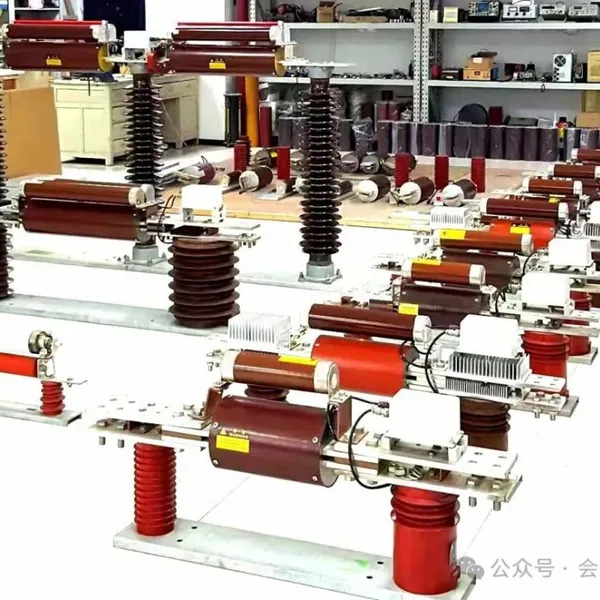 Read More
 -
Medium voltage MCC motor control cabinet
September 17, 2026Regarding the arcing of medium voltage FC switchgear, F-C refers to the combination of contactor and fuse. FC is mainly used for motor protection, and the contactor has a long electrical life of at least 300000 times, suitable for frequent operation. Fuses are used for overload protection. FC is widely used in steel mills, chemical plants, coal-fired power plants, ships, and offshore oil platforms. In these situations, the shRead More -
Guidelines for Calculation and Design of Low Voltage Switchgear
September 16, 2026IEC 61439 replaces IEC60439 and introduces the principle of verifying switchgear. These replace the existing Type Test Assembly (T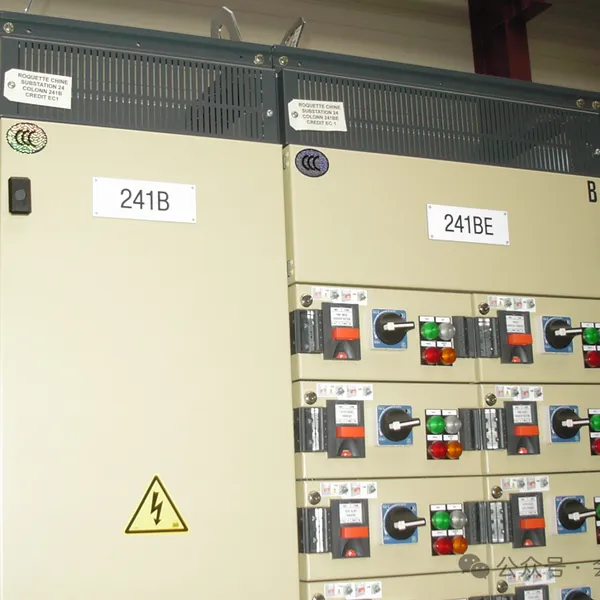 Read More

Contact Us
Recommended Products
-
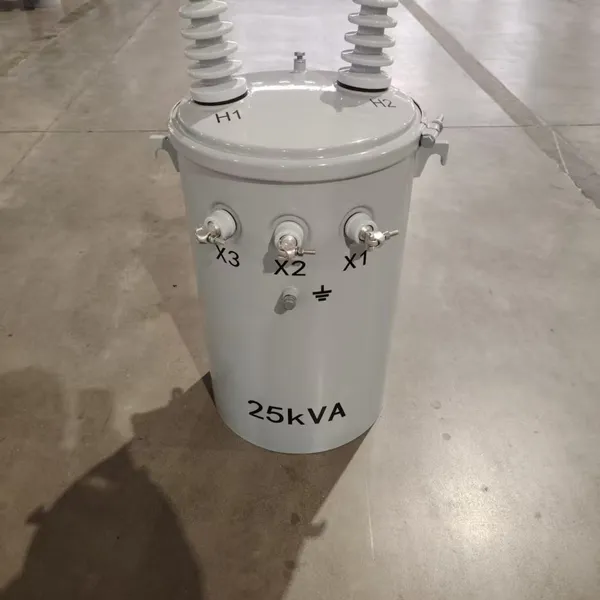
 Single Phase Oil Immersed Transformer 10KVA 15KVA 25KVA 37.5KVA Standard CompliantNegotiableMOQ: 2 Units
 -
Electrical Arc Furnace Transformers up to 120MVA - Certified for Steel Industry ApplicationsUS$ 8000 - 10000MOQ: 1 Unit
-
3-Phase Oil Type Transformer 5-Year Warranty With Load Test ReportUS$ 5428 - 5628MOQ: 1 Unit
-
Three Phase Oil Filled Transformer for Mining Operations Dust-Proof DesignUS$ 5428 - 5628MOQ: 1 Unit
-
HV Three Phase Oil Filled Transformer With ONAN Cooling 500kVA-2500kVAUS$ 5428 - 5628MOQ: 1 Unit
-
11/24/33KV High Voltage Isolation Switch With Mill Test ReportUS$ 800MOQ: 1 Unit
-
3-Pole Outdoor Isolation Switch With 5-Year Warranty and Compliance TestingUS$ 800MOQ: 1 Unit
-
YH5WZ 3KV-110KV Zinc Oxide Arrester for Power Station Outdoor High Voltage DistributionUS$ 21MOQ: 100 Units
-
Outdoor SF6 Load Break Switch LW30-72.5/1250A 24KV 630A 16KA Three PhaseUS$ 10000MOQ: 1 Unit
-
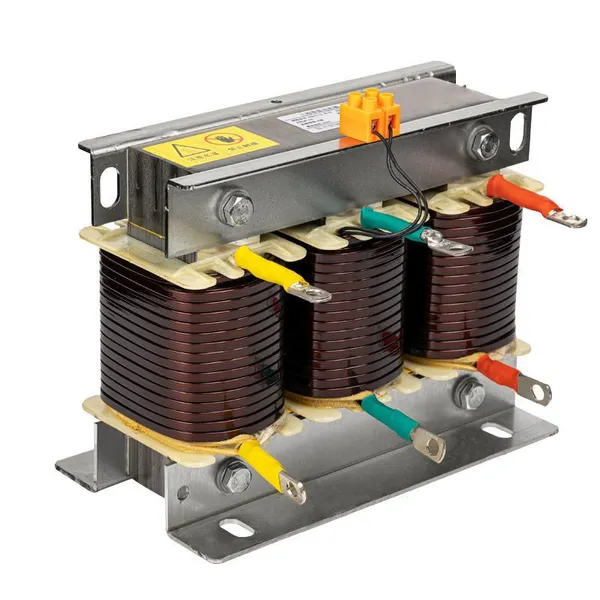
Input Line Reactor for CNC Machine Frequency Converters, 400V 60HzUS$ 65MOQ: 5 Units
-
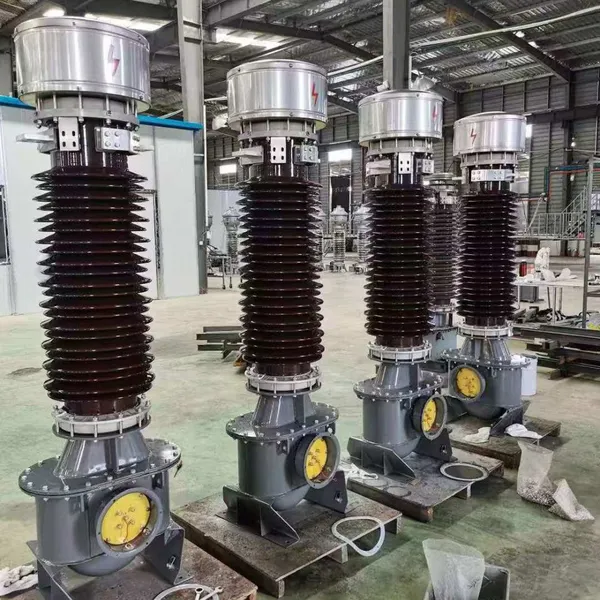
Industrial Grade 35-220KV Oil-Immersed Current Transformer for SubstationsUS$ 480 - 500MOQ: 3 Units
-
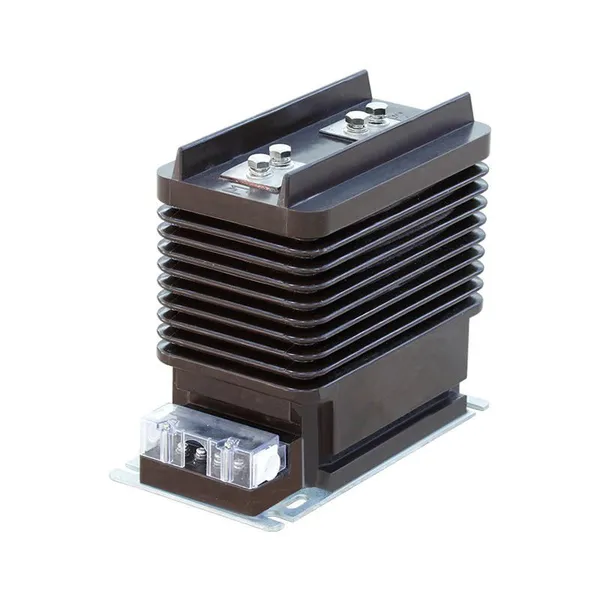
LZZBJ9-20 Indoor 24kV High Voltage Cabinet Single-Phase 5-20 for Industrial Power SystemsUS$ 250MOQ: 3 Units
-
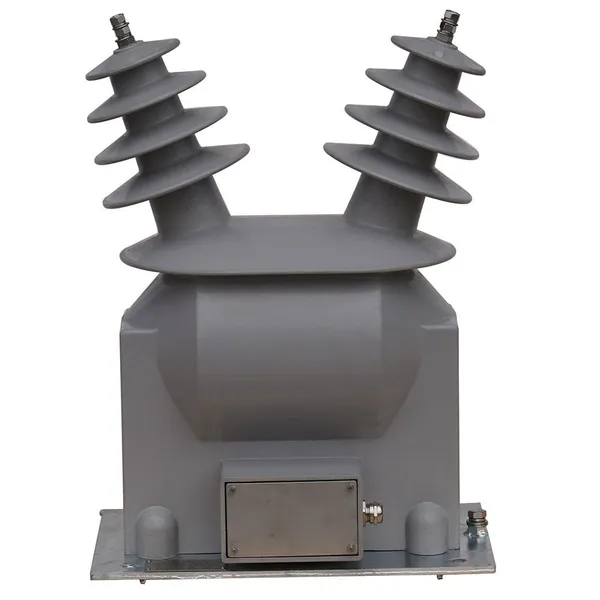
17.5 KV Full-enclosed Outdoor Epoxy Resin Casting and Double Pole Insulated Voltage TransformerUS$ 90 - 100MOQ: 1 Piece
-
Three Phase 30kVA SVC Voltage Regulator for Textile Manufacturing, Stable OutputUS$ 159MOQ: 10 Units
-
Amorphous Core 25kVA Transformer Compliant With IEC Standards for Power DistributionUS$ 1300 - 2900MOQ: 2 Units
-
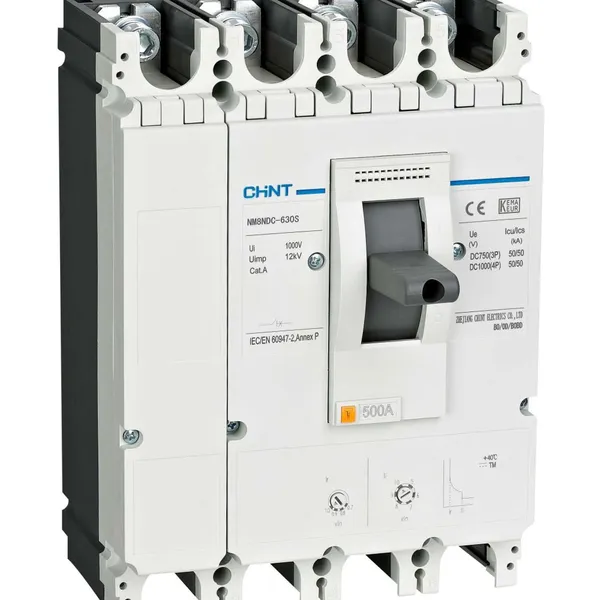
CHINT NM8NDC-630 DC 1000V/Ui High-Voltage Circuit Breaker With 630A Frame CurrentUS$ 425 - 625MOQ: 100 Units
-
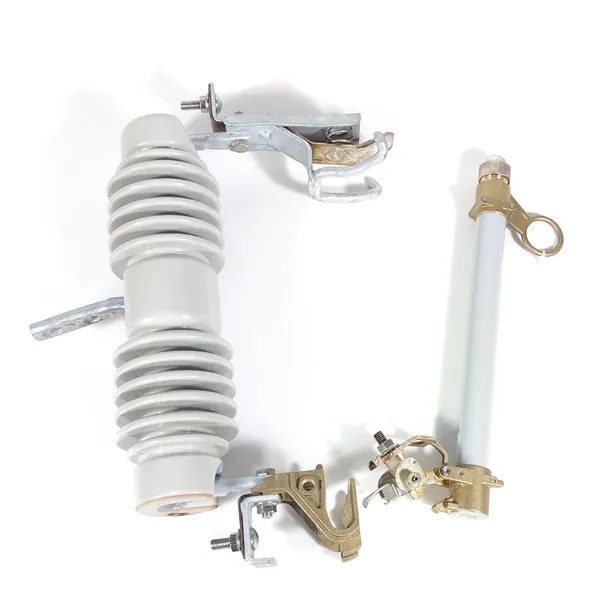
High Voltage Drop Out Fuse Cutout 33KV 27KV 24KV for Overhead LinesUS$ 35MOQ: 100 Units
-
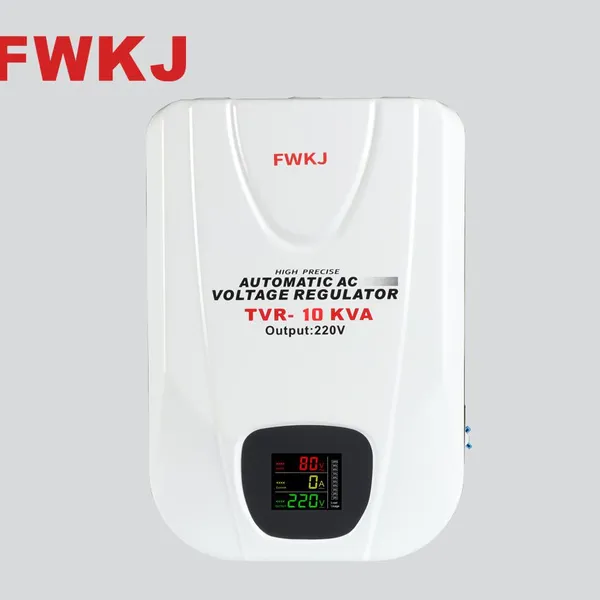
TVR-10 KVA Automatic Voltage Stabilizer 220V ±0.5% Accuracy for Laboratory InstrumentsUS$ 103 - 123MOQ: 1 Unit
-
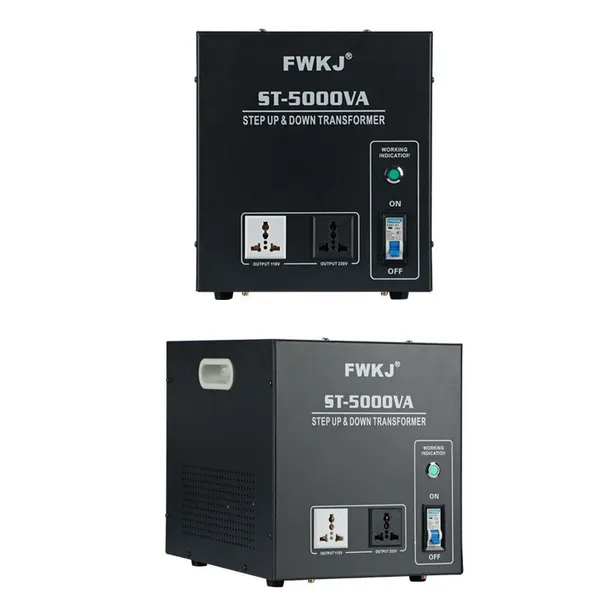
Universal 5000VA Voltage Transformer for International Appliances 110V-220VUS$ 102 - 107MOQ: 10 Units
-
500kV Three-Phase Oil-Immersed Auto Transformer 250MVA for Power GridsUS$ 800 - 9000MOQ: 1 Unit