
 Business License

Guidelines for Calculation and Design of Low Voltage Switchgear
IEC 61439 replaces IEC60439 and introduces the principle of verifying switchgear. These replace the existing Type Test Assembly (TTA) categories and some Type Test Assembly categories (PTTA) in IEC 60439.
IEC 61439 recognizes three equivalent and alternative verification methods that manufacturers may use to ensure compliance with standard requirements. These are:
• Testing
• Calculation
Design rules
Testing includes independent testing conducted by approved testing agencies or testing conducted by individual manufacturers according to approved procedures.
If verification methods other than testing are used to demonstrate compliance with standards, degradation factors must be included.
The strength, corrosion resistance, and insulation properties of materials and components: thermal stability, heat resistance of insulation materials, resistance to abnormal heat and fire caused by internal electrical effects, resistance to ultraviolet (UV) radiation, lifting, mechanical, impact, mechanical operation, power frequency withstand voltage, anti electric shock, and protection circuit integrity can only be verified through testing.
The protection level, impulse withstand voltage, and electromagnetic compatibility can be verified through testing or design guidelines, that is, if they comply with the design guidelines, they also meet the standard requirements.
The net creepage distance, effective continuity between exposed conductors, effectiveness of components and protective circuit components for external faults, temperature rise, and short endurance can be verified through testing, calculation, or design guidelines.
The merging of switchgear and components, internal circuits and connections, and external conductor terminals can only be verified through design guidelines.
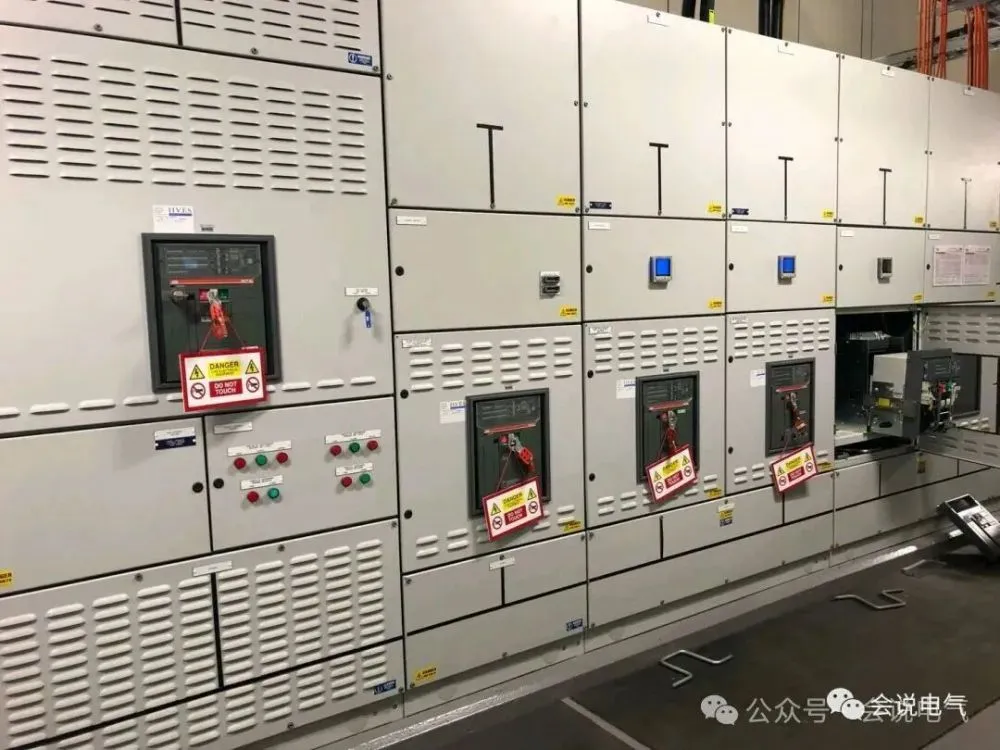
Comparison of Verification Methods
Test
Testing remains the best method for verifying compliance. If tested by an independent testing agency or manufacturer according to approved procedures, the test is valid. This will be a method for manufacturers to optimize their products, minimize cabinet size, etc. without affecting performance, reliability, or safety.
For standardized switchgear, testing provides manufacturers and end-users with verified compliance, but not all customized switchgear can be tested due to high costs. The other verification methods detailed below can be used for these customized complete sets of equipment.
calculate
If allowed, established conventions can be used for calculations to predict performance. The disadvantage of this method is that it lowers the level of all published performance parameters and increases the margin for parameters such as temperature rise to ensure expected performance, reliability, and safety when operating at maximum load.
For example, if the manufacturer has not conducted testing to demonstrate that a 250A MCCB of a specific compartment size complies with temperature rise limits, the manufacturer can only rate the 250A equipment of that compartment size as 80% of its rated frame, i.e. 200A.
This usually leads to an increase in component ratings and housing dimensions, but it will never affect performance, despite reduced space utilization and increased costs in the data center.
The switchgear needs to undergo indoor temperature rise testing on all MCCBs and ACBs with standardized compartment sizes, so there is no need to lower its equipment rating.
Design rules
Where permitted, this enables manufacturers to use data validated through testing to determine the parameters of variables in the tested configuration. This can be replacing functional units from other manufacturers, if their performance values are equal to or better than the replaced unit, or using data published by the supplier to calculate consistency and replace units of different grades within the same enclosure.
===END===
Recently Posted
-
UL347 standard switchgear
September 24, 2026Many domestic manufacturers claim to comply with UL347 standards by using mid mounted cabinets, especially the 38kV circuit breake Read More
 -
Electrical clearance requirements for North American switchgear
September 24, 2026Many manufacturers may ask if the American standard for switchgear does not specify a minimum electrical clearance. So, what stand Read More
 -
Atmospheric correction of insulation withstand voltage test values for North American switchgear
September 22, 2026The insulation test of the North American medium voltage air insulated armored switchgear standard IEEE C37.20.2 follows the IEEE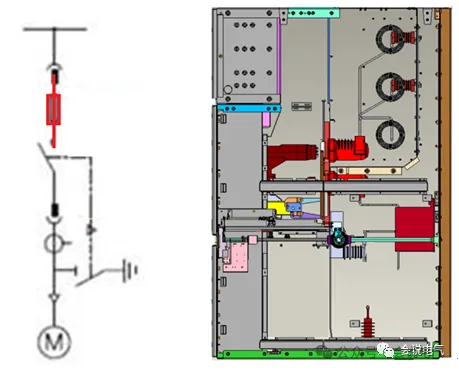 Read More
 -
Application of Medium Voltage Switchgear for Low Voltage Transformers
September 21, 20261. What is a low-voltage through core current transformer?The function of a current transformer (CT) is to convert high current in
Read More

Contact Us
Recommended Products
-
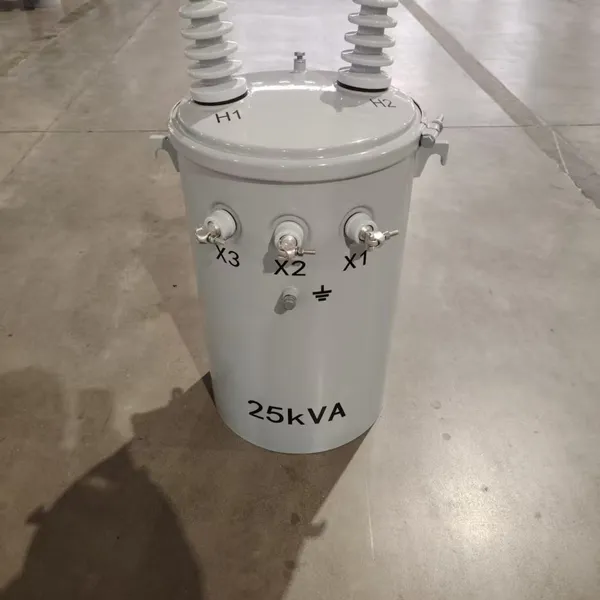
 Single Phase Oil Immersed Transformer 10KVA 15KVA 25KVA 37.5KVA Standard CompliantNegotiableMOQ: 2 Units
 -
Electrical Arc Furnace Transformers up to 120MVA - Certified for Steel Industry ApplicationsUS$ 8000 - 10000MOQ: 1 Unit
-
3-Phase Oil Type Transformer 5-Year Warranty With Load Test ReportUS$ 5428 - 5628MOQ: 1 Unit
-
Three Phase Oil Filled Transformer for Mining Operations Dust-Proof DesignUS$ 5428 - 5628MOQ: 1 Unit
-
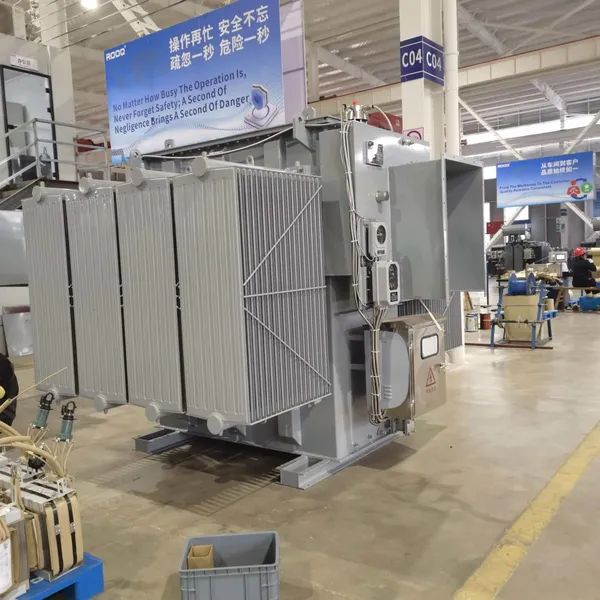
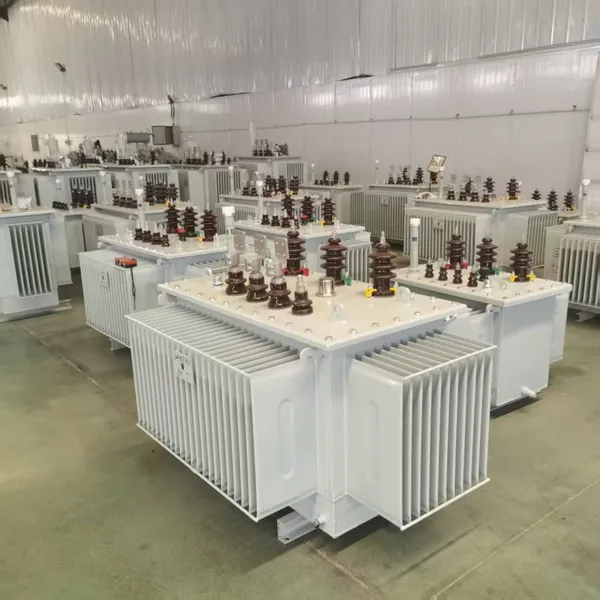
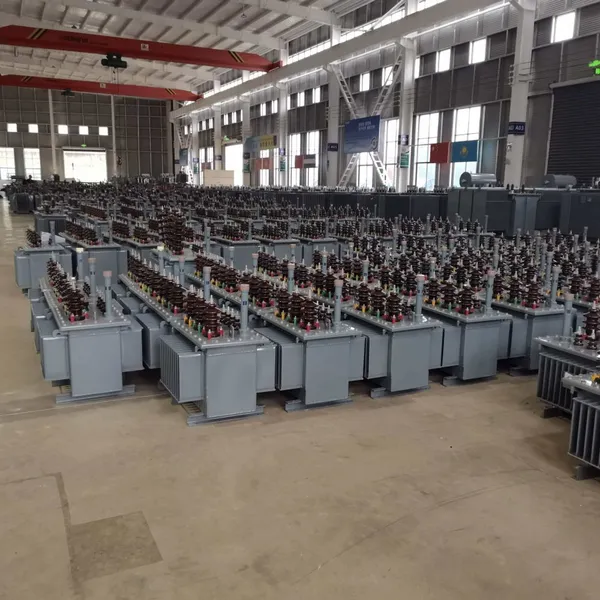
HV Three Phase Oil Filled Transformer With ONAN Cooling 500kVA-2500kVAUS$ 5428 - 5628MOQ: 1 Unit
-
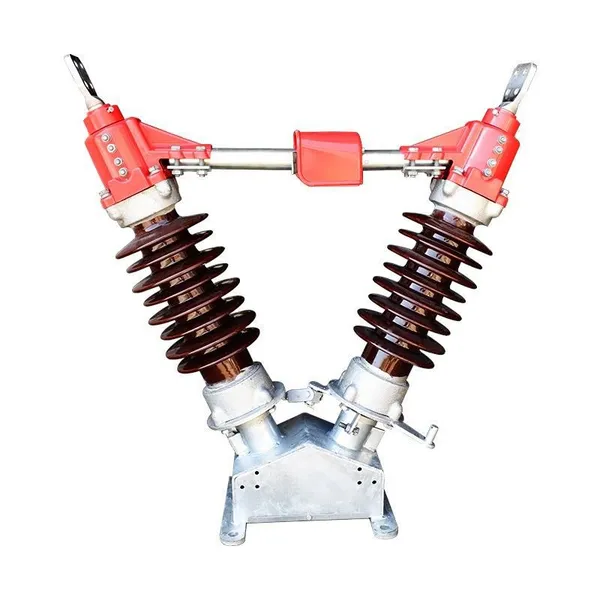
11/24/33KV High Voltage Isolation Switch With Mill Test ReportUS$ 800MOQ: 1 Unit
-
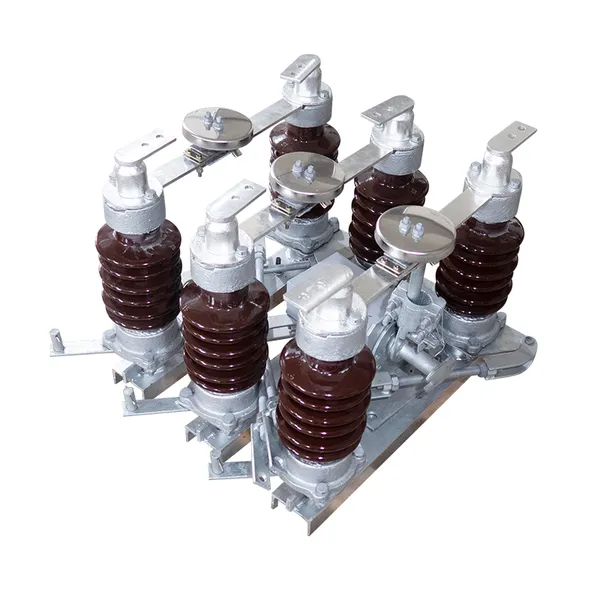
3-Pole Outdoor Isolation Switch With 5-Year Warranty and Compliance TestingUS$ 800MOQ: 1 Unit
-
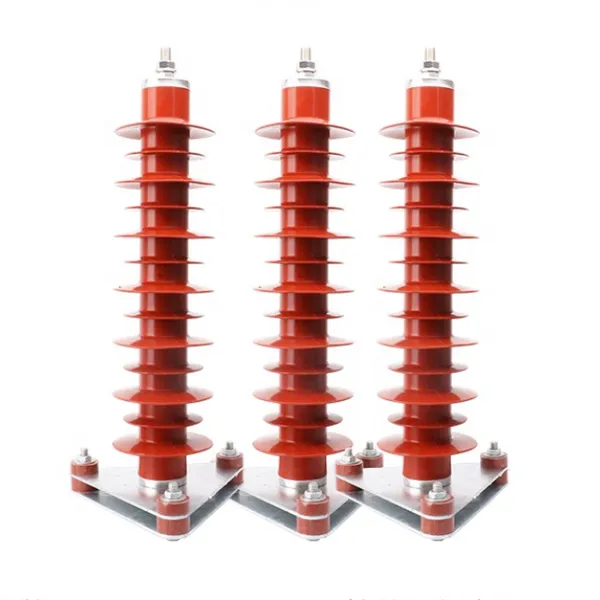
YH5WZ 3KV-110KV Zinc Oxide Arrester for Power Station Outdoor High Voltage DistributionUS$ 21MOQ: 100 Units
-
Outdoor SF6 Load Break Switch LW30-72.5/1250A 24KV 630A 16KA Three PhaseUS$ 10000MOQ: 1 Unit
-
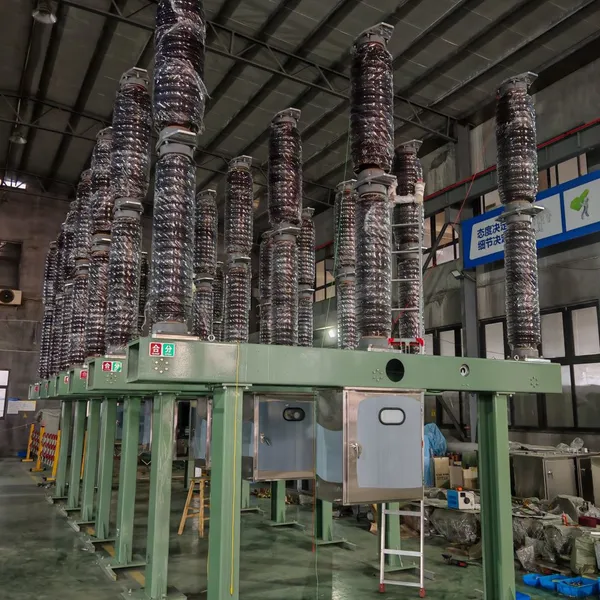
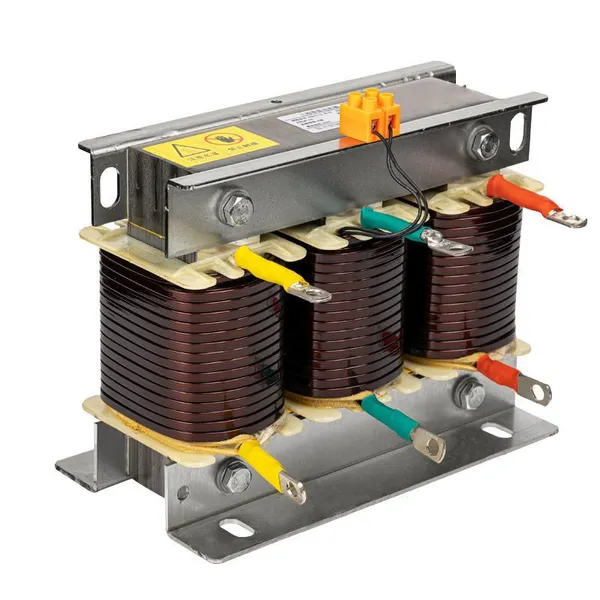
Input Line Reactor for CNC Machine Frequency Converters, 400V 60HzUS$ 65MOQ: 5 Units
-
Industrial Grade 35-220KV Oil-Immersed Current Transformer for SubstationsUS$ 480 - 500MOQ: 3 Units
-
LZZBJ9-20 Indoor 24kV High Voltage Cabinet Single-Phase 5-20 for Industrial Power SystemsUS$ 250MOQ: 3 Units
-
17.5 KV Full-enclosed Outdoor Epoxy Resin Casting and Double Pole Insulated Voltage TransformerUS$ 90 - 100MOQ: 1 Piece
-
Three Phase 30kVA SVC Voltage Regulator for Textile Manufacturing, Stable OutputUS$ 159MOQ: 10 Units
-
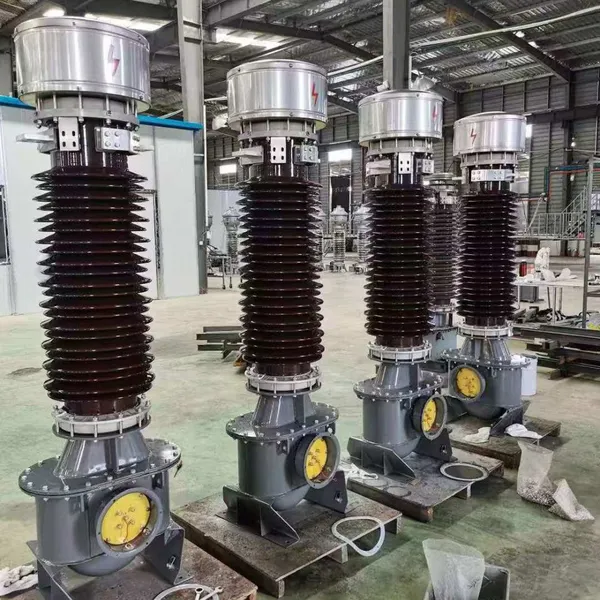
Amorphous Core 25kVA Transformer Compliant With IEC Standards for Power DistributionUS$ 1300 - 2900MOQ: 2 Units
-
CHINT NM8NDC-630 DC 1000V/Ui High-Voltage Circuit Breaker With 630A Frame CurrentUS$ 425 - 625MOQ: 100 Units
-
High Voltage Drop Out Fuse Cutout 33KV 27KV 24KV for Overhead LinesUS$ 35MOQ: 100 Units
-
TVR-10 KVA Automatic Voltage Stabilizer 220V ±0.5% Accuracy for Laboratory InstrumentsUS$ 103 - 123MOQ: 1 Unit
-
Universal 5000VA Voltage Transformer for International Appliances 110V-220VUS$ 102 - 107MOQ: 10 Units
-
500kV Three-Phase Oil-Immersed Auto Transformer 250MVA for Power GridsUS$ 800 - 9000MOQ: 1 Unit