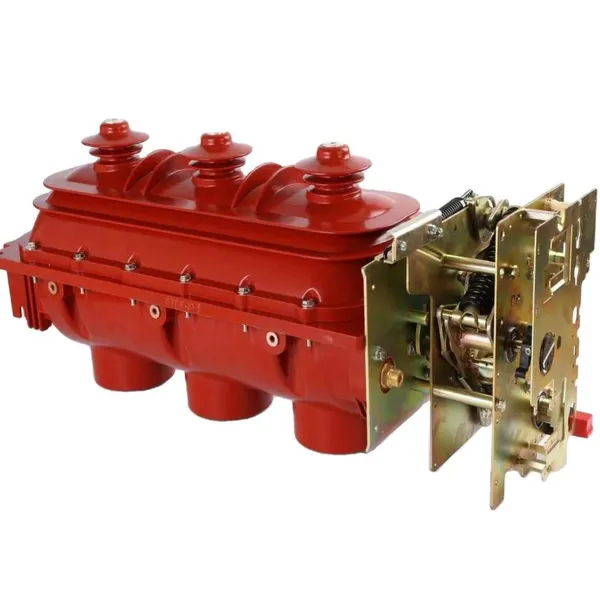

 Business License

Types of American standard switchgear
Metal armored switchgear is one of the three common types of metal enclosed switchgear defined in ANSI standards. Metal enclosed power switchgear: a switchgear assembly that is completely enclosed on all sides and top, with metal plates (excluding ventilation holes and inspection windows), containing a primary power circuit switch or disconnect device, or both, with busbars and connectors. The assembly may include control devices and auxiliary devices. The interior of the casing can be accessed through a door, a detachable cover, or both. This definition appears in all three ANSI/IEEE standards covering metal enclosed power switchgear types: C37.20.1, Metal enclosed low-voltage power circuit breaker switchgear; C37.20.2, Metal armored switchgear and C37.20.3, metal enclosed circuit breaker switchgear. Let's take a look at some of the definitions for these types.
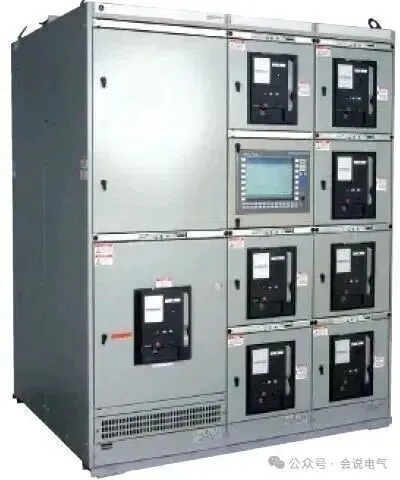
Metal enclosed low-voltage power circuit breaker switchgear is obviously suitable for low-voltage systems. The maximum rated value of AC switchgear in C37.20.1 is 635 V, and the maximum rated value of DC switchgear is 3200 V. The withdrawable device is a low-voltage power circuit breaker, which can be withdrawable or fixed. It can be manual or electric, with or without fuses. Each circuit breaker is enclosed in a grounded metal compartment, but there is no need for isolation between the busbar and cable connections. C37.20.1 standard low-voltage switchgear, when using withdrawable circuit breakers, there is no need for valves to connect the busbars, and bare busbars are the standard. Although some of these features can be provided as options, the standard does not require these features. According to ANSI standards, low-voltage switchgear cannot be considered as metal armored switchgear. Metal armored switchgear requires the main switch and disconnect device to be withdrawn. It may be a circuit breaker (usually) or a load circuit breaker switch (less common). Circuit breakers are always selectively operated. When the circuit breaker exits, a large number of barriers, valves, and insulated busbar systems need to be installed on the primary circuit components. C37.20.2 is a medium voltage armored switchgear with a minimum rated voltage of 4.76 kV. This rated value is typically used for 2400 V AC circuits and can reach a rated voltage of up to 38 kV, but is rarely used for lower voltages.
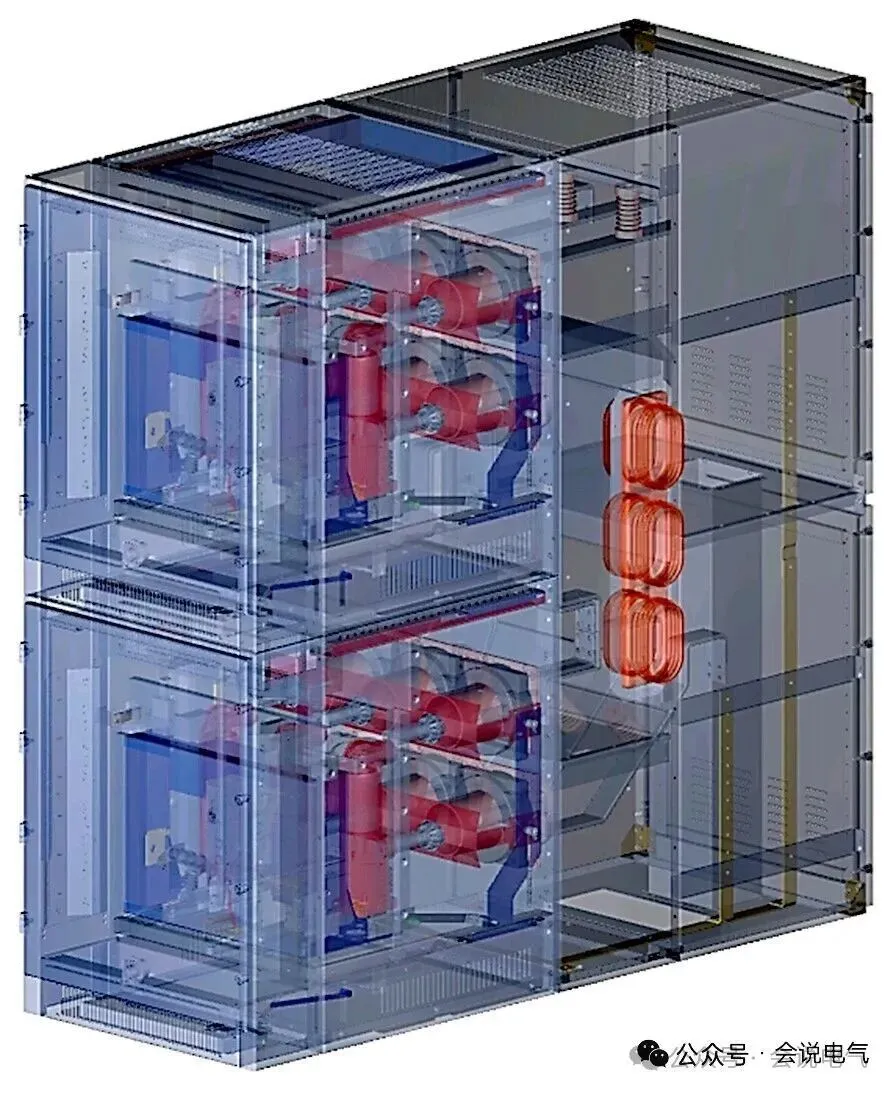
C37.20.2 standard metal armor is generally considered the top product for medium voltage metal enclosed switchgear. The voltage range of the IEEE C37.20.3 standard metal enclosed switchgear is the same as that of the metal casing, but the structure is simple. The main switch device is a load switch or circuit breaker that typically disconnects the load. It may be stationary (usually) or withdrawn (rarely).
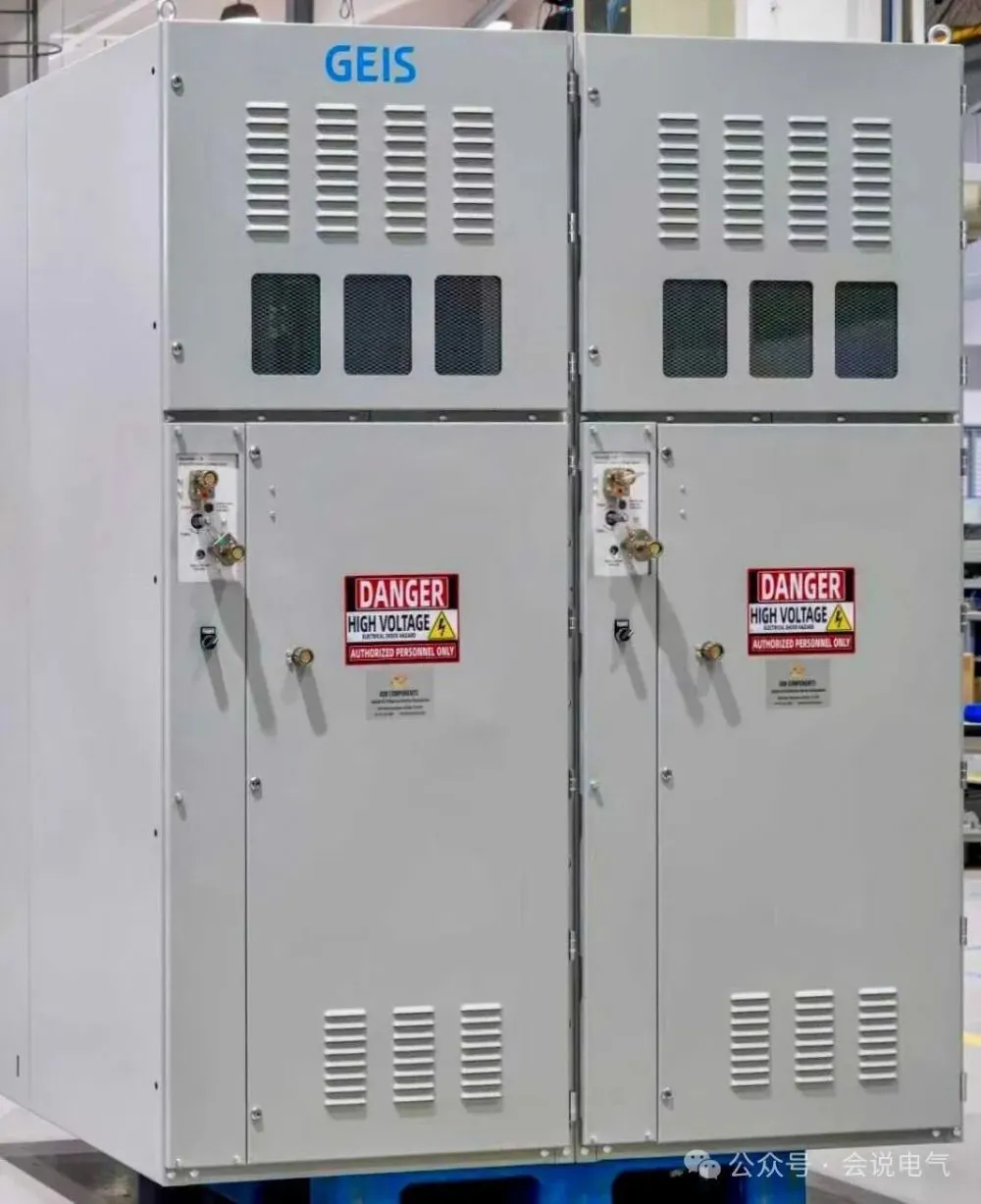
The overcurrent protection of C37.20.3 standard switchgear is usually provided by fuses. Bare busbar is the standard, and the required enclosure is minimal. Although electrical operators can be used, switches are usually manually operated. The ANSI metal enclosed switchgear standard requires the use of TBS or SIS type wires as control wires in such equipment. In addition, it is required that the minimum size of the wire be # 14AWG and have flexibility (41 strands or more) when connected by hinges. The standard is that all switchgear wiring uses SIS type flexible cords. Unless the circuit requires or the buyer specifies the use of larger wires, the wires will be # 14AWG. The control wires for switchgear are traditionally gray, and the standard is to use gray wires, except for the green grounding wire. If specified by the buyer, other colors can be used, but cumbersome color coding can be quite expensive as wire manufacturers require a large number of special items, such as unusual colors.
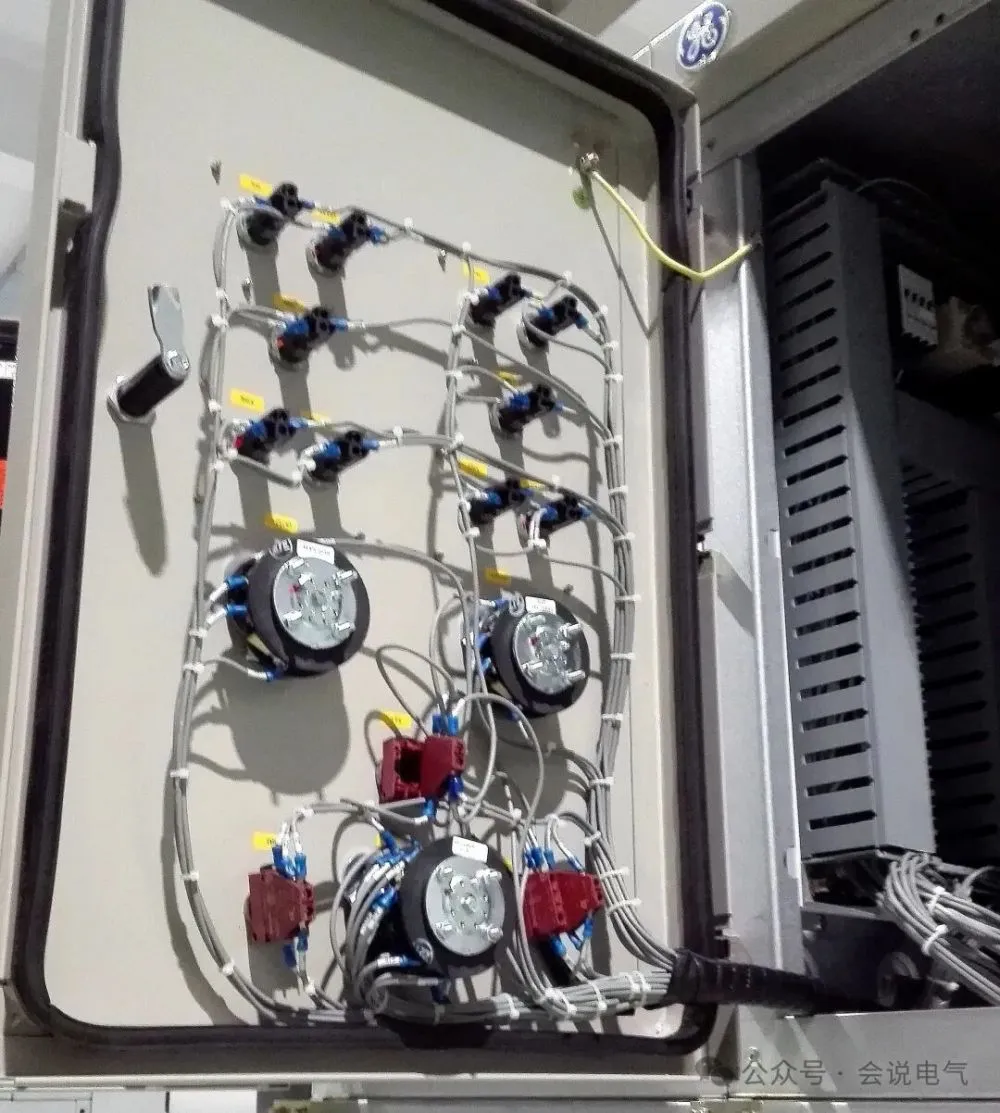
When marking with a line, the standard is a white tube marked with black characters. The wire markings are marked with the wire numbers shown on the schematic diagram and wiring diagram. Special wire markings can be provided according to user requirements. Some special features required include special sleeve materials, special colors, heat shrink installations, and special wire names or numbers.
Recently Posted
-
Risk considerations for the layout of low-voltage switchgear for gas generators
November 25, 2026The low-voltage switchgear at the outlet of a gas generator generally has two output circuits: user load and dummy load. The dummy Read More
-
Demand for new energy medium voltage switchgear
November 25, 2026For new energy, photovoltaic, wind power, etc. are connected to the grid through high-voltage switchgear after inversion and boost Read More
-
Security of customized equipment
November 25, 2026The main difference between customized and standard switchgear is that standardized products are products that have been validated Read More
-
American standard switchgear for current transformers used in relay/zero sequence protection
November 22, 2026The current transformer used for relay protection under high current conditions must have a relay rating. This rating is represent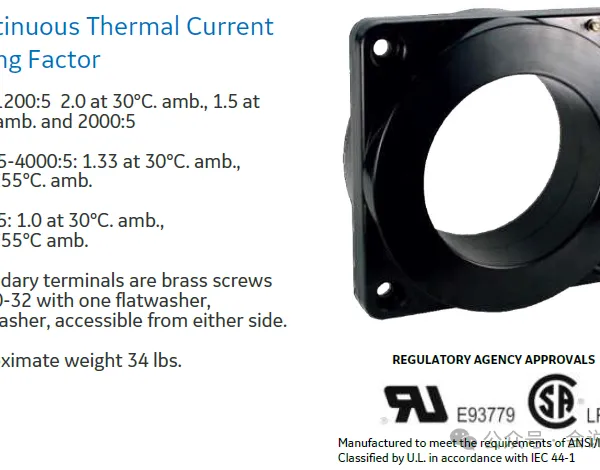 Read More

Contact Us
Recommended Products
-
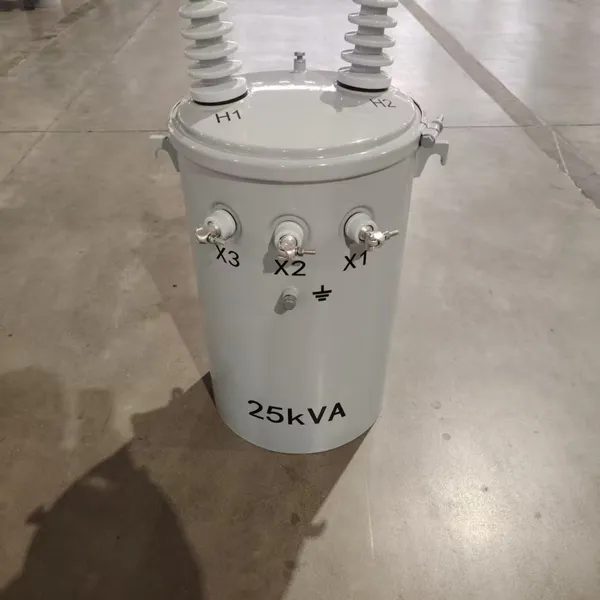
 Single Phase Oil Immersed Transformer 10KVA 15KVA 25KVA 37.5KVA Standard CompliantNegotiableMOQ: 2 Units
-
Electrical Arc Furnace Transformers up to 120MVA - Certified for Steel Industry ApplicationsUS$ 8000 - 10000MOQ: 1 Unit
-
3-Phase Oil Type Transformer 5-Year Warranty With Load Test ReportUS$ 5428 - 5628MOQ: 1 Unit
-
Three Phase Oil Filled Transformer for Mining Operations Dust-Proof DesignUS$ 5428 - 5628MOQ: 1 Unit
-
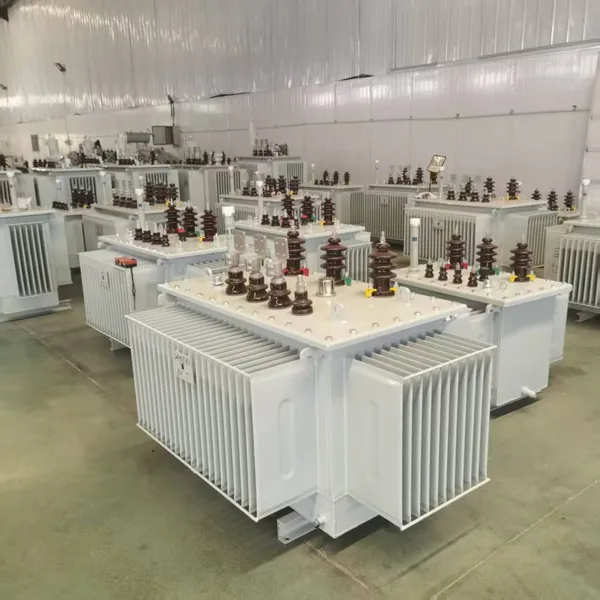
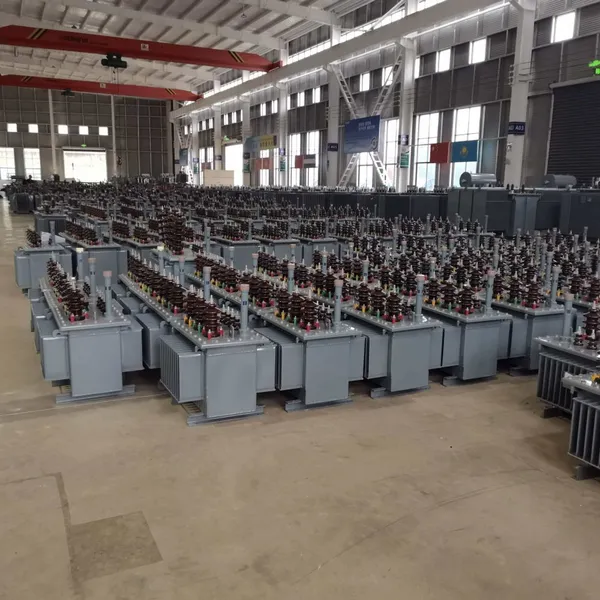
HV Three Phase Oil Filled Transformer With ONAN Cooling 500kVA-2500kVAUS$ 5428 - 5628MOQ: 1 Unit
-
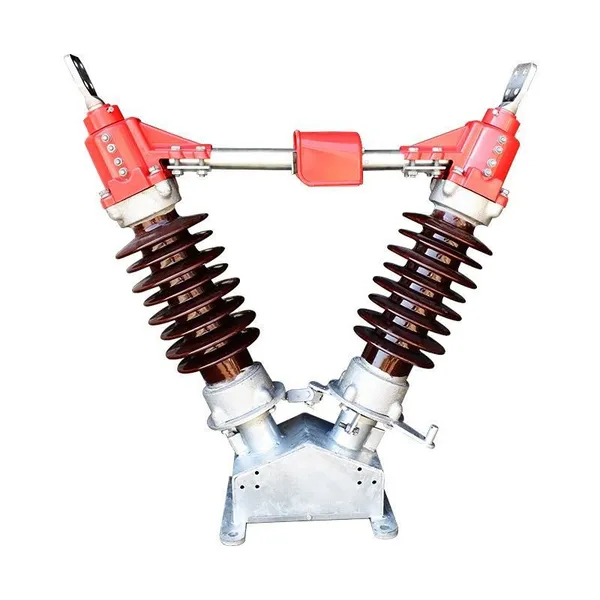
11/24/33KV High Voltage Isolation Switch With Mill Test ReportUS$ 800MOQ: 1 Unit
-
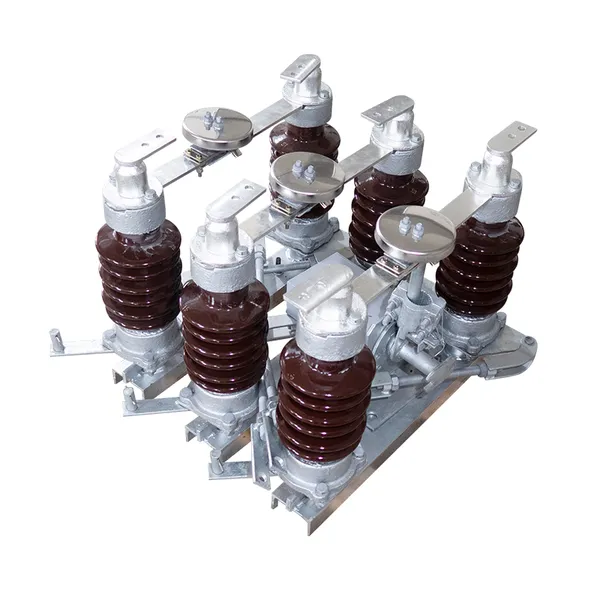
3-Pole Outdoor Isolation Switch With 5-Year Warranty and Compliance TestingUS$ 800MOQ: 1 Unit
-
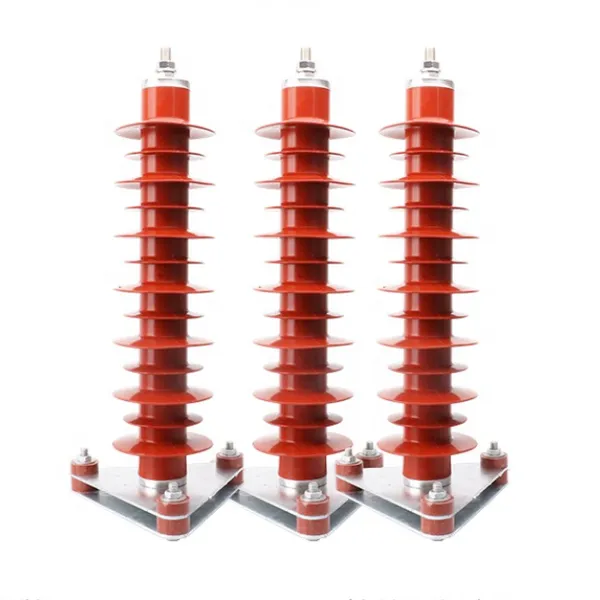
YH5WZ 3KV-110KV Zinc Oxide Arrester for Power Station Outdoor High Voltage DistributionUS$ 21MOQ: 100 Units
-
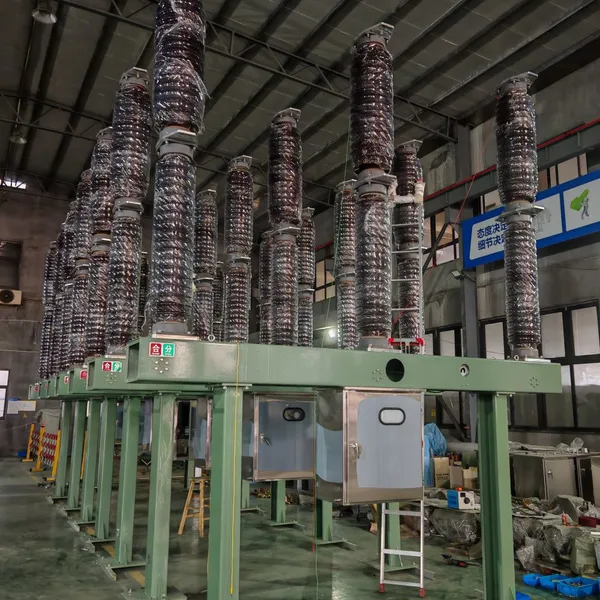
Outdoor SF6 Load Break Switch LW30-72.5/1250A 24KV 630A 16KA Three PhaseUS$ 10000MOQ: 1 Unit
-
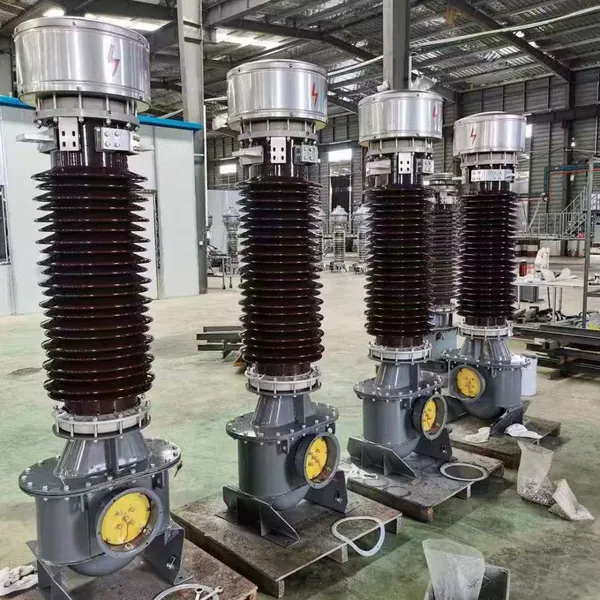
Industrial Grade 35-220KV Oil-Immersed Current Transformer for SubstationsUS$ 480 - 500MOQ: 3 Units
-
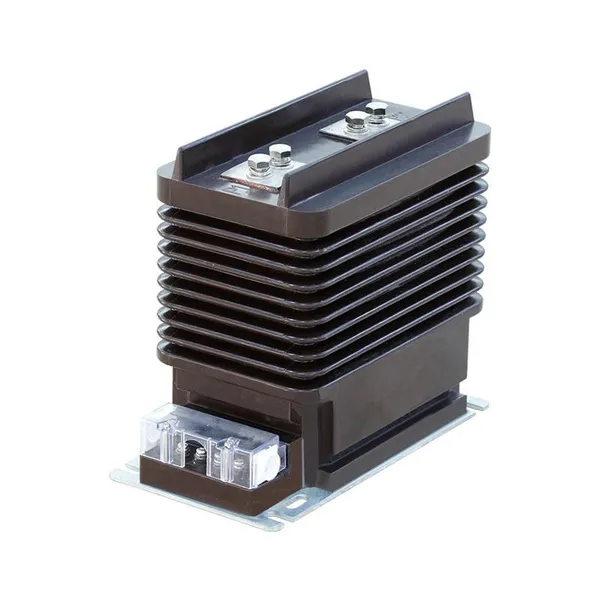
LZZBJ9-20 Indoor 24kV High Voltage Cabinet Single-Phase 5-20 for Industrial Power SystemsUS$ 250MOQ: 3 Units
-
Three Phase 30kVA SVC Voltage Regulator for Textile Manufacturing, Stable OutputUS$ 159MOQ: 10 Units
-
Amorphous Core 25kVA Transformer Compliant With IEC Standards for Power DistributionUS$ 1300 - 2900MOQ: 2 Units
-
High Voltage Drop Out Fuse Cutout 33KV 27KV 24KV for Overhead LinesUS$ 35MOQ: 100 Units
-
500kV Three-Phase Oil-Immersed Auto Transformer 250MVA for Power GridsUS$ 800 - 9000MOQ: 1 Unit
-
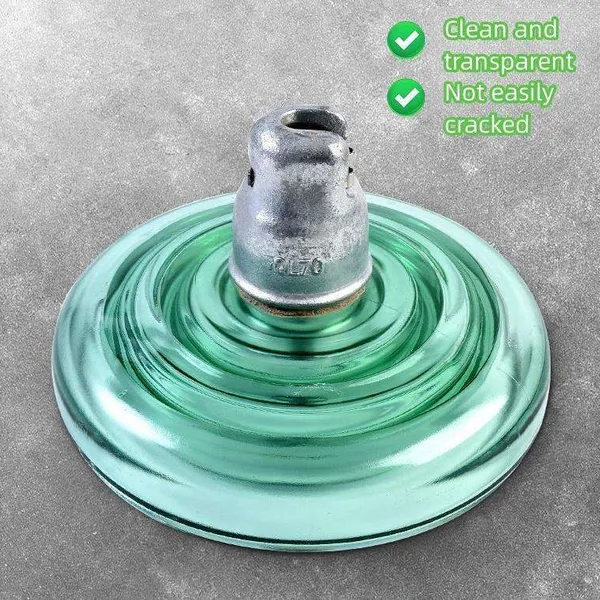
U70BS 210 Glass Insulators 70kN Mechanical Load 210mm Creepage Distance Warranty Included Standard CompliantUS$ 6MOQ: 1000 Units
-
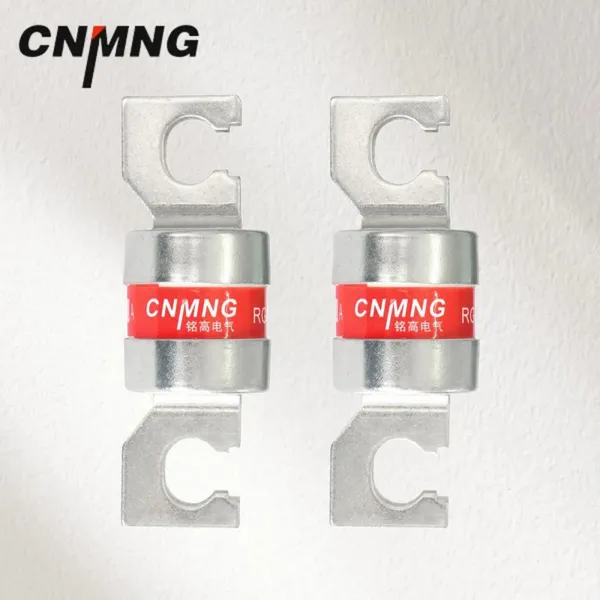
Custom 690V Ceramic Fuses RGS88M 150A 160A 185A 200A 220A With WarrantyUS$ 1 - 3MOQ: 100 Units
-
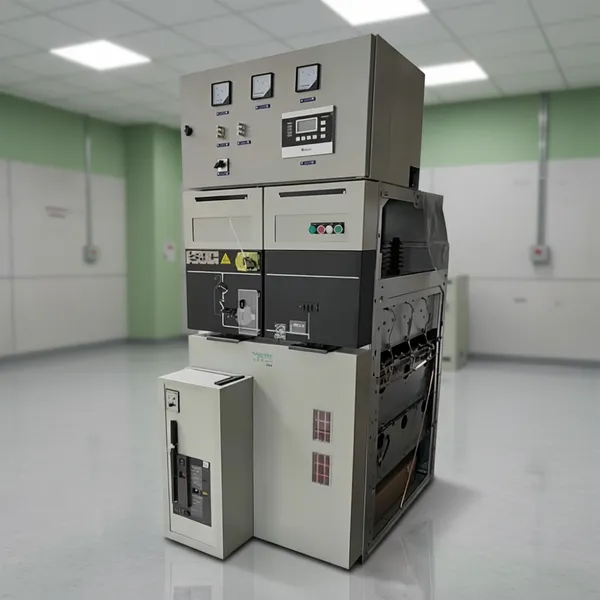
Schneider SM6 SF6 Gas-Insulated Switchgear Cabinet 630A 12KV/24KV DM1-A IMC IMP Factory Tested and WarrantedUS$ 3500MOQ: 1 Unit
-
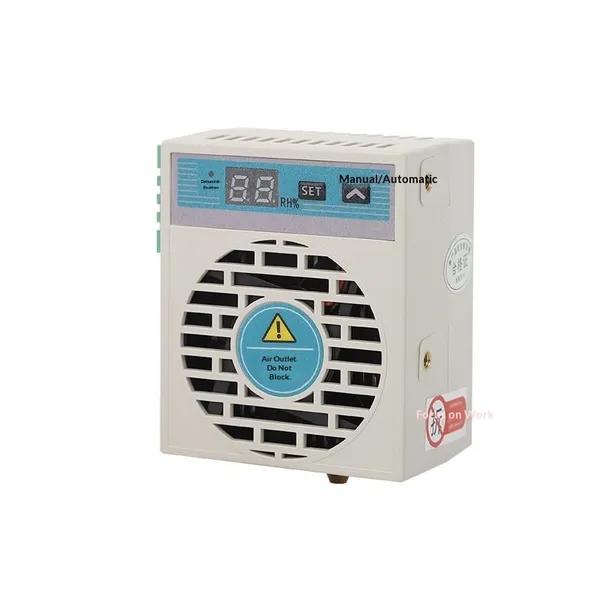
Intelligent Dehumidification Device for High-voltage Electrical Cabinet With Digital Display and Humidity Sensor 220VUS$ 13 - 30MOQ: 10 Pieces
-
3 Phase SF6 Load Break Switch for Indoor High Voltage Switching in Industrial Plant Power RoomsUS$ 450MOQ: 10 Units