
 Business License

Anti internal arc design of low-voltage switchgear
Have you ever assessed the severity and probability of arc flash hazards? Will high arc flash incident energy damage your equipment and result in longer downtime? Or do you use protective and preventive control measures to identify and minimize damage and risk? Due to the lack of real-time feedback on the health status of the system, have you built unnecessary redundancy in the system? These are some questions you must answer when developing effective programs for your installation.
Low voltage switchgear requires unique functional design to greatly reduce the incidence energy (severity) and probability (probability) of arc flash. These features provide you with the necessary protection and preventive control measures, and make them an integral part of the switchgear design.
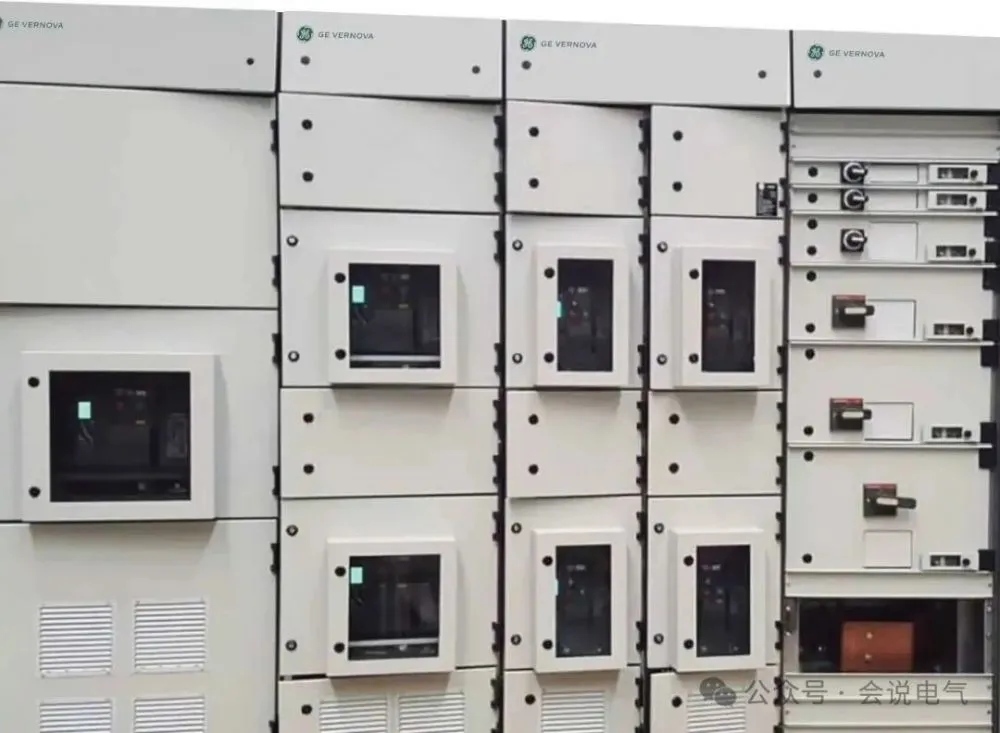
Like the anti internal arc design of medium voltage switchgear, low voltage switchgear also needs to improve the flash hazard of the following functions built into the kit design by reducing the risk of arc:
1. Door closing operation, combining door closing rocking in with remote rocking in, reduces the risk of operator injury when the potential risk is highest.
2. Insulated busbars and connection parts are equipped with insulation covers, greatly reducing the possibility of arc flash.
3. The functional units are completely isolated.
a. The circuit breaker is located inside the grounded metal compartment and is equipped with an automatic safety valve and a door closing rocker, which increases safety.
b. The control switches, fuses, and indicator lights are located on separate, easily accessible metal instrument panels above each circuit breaker.
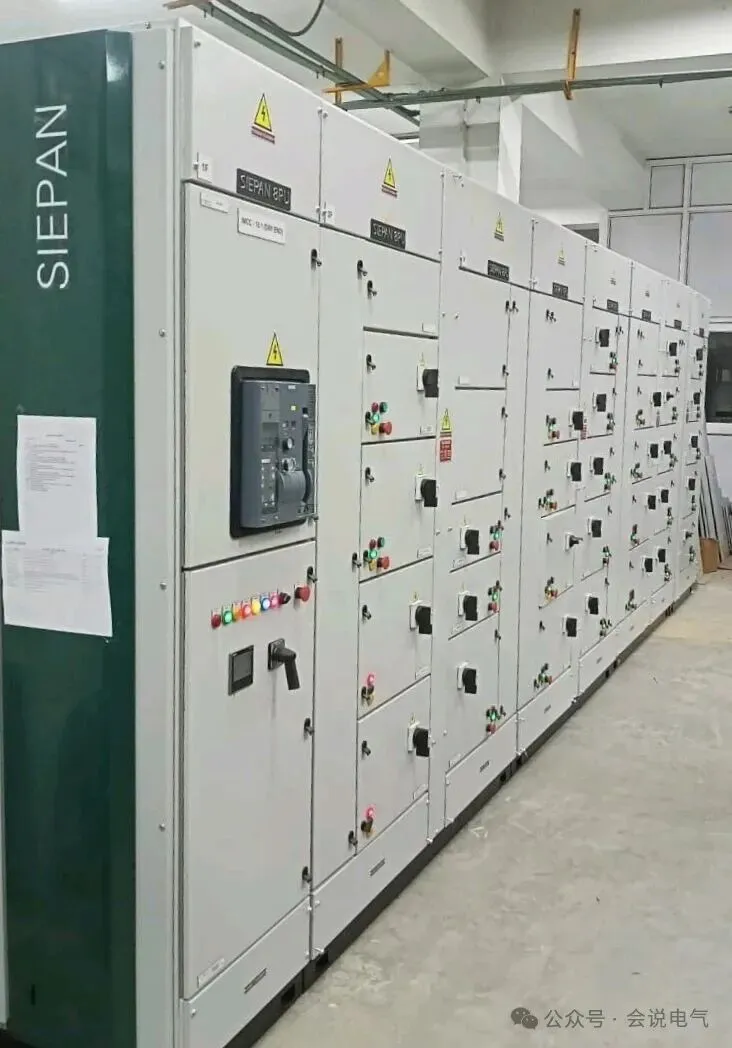
4. There is no ventilation opening on the front door of the circuit breaker to ensure that if an arc flash does occur, the by-products of the arc will be restricted from leaving the switchgear from the front and causing harm to the operator.
The locking/listing process is crucial in any operational procedure. With the built-in functions of low-voltage switchgear, these operations are easy to perform.
a. The circuit breaker doors are interlocked to prevent them from being opened when the circuit breaker is in the connected position.
b. The pull-out guide rail on the lower structure can be padlocked to prevent the circuit breaker from being pushed in during maintenance of downstream circuits.
c. The safety valve can be locked in the closed position to prevent accidental contact with live parts when removing the circuit breaker from the switchgear.
d. Circuit breakers can be padlocked in the open position to prevent them from being opened.
The most important ones are the arc protection device and RELT, which are unique patented technologies that balance system reliability and safety.
Breakers and circuit breakers will reduce the incident energy of arc flash through state-of-the-art protection and fast operation time. Low energy RELT is allowed to pass, and the safety RELT device for protecting operation and maintenance personnel allows users to reduce the level and time span of short-circuit current, thereby reducing energy near the circuit breaker.
The main benefits of reducing maintenance system with flashing arc:
Increased personnel safety - by limiting the flash energy at the fault point
Easy to operate
Only enabled during maintenance work execution
Maintain coordinated protection of circuit breakers under normal conditions
Reducing the level of incident energy can allow for a reduction in personal protective equipment (PPE), thereby improving worker comfort and mobility
Reducing energy through RELT will further reduce arc flash incident energy by up to 20%, and is typically enabled when maintenance of energized downstream equipment must be carried out at close range.
Recently Posted
-
Medium voltage MCC motor control cabinet
September 17, 2026Regarding the arcing of medium voltage FC switchgear, F-C refers to the combination of contactor and fuse. FC is mainly used for motor protection, and the contactor has a long electrical life of at least 300000 times, suitable for frequent operation. Fuses are used for overload protection. FC is widely used in steel mills, chemical plants, coal-fired power plants, ships, and offshore oil platforms. In these situations, the shRead More -
Guidelines for Calculation and Design of Low Voltage Switchgear
September 16, 2026IEC 61439 replaces IEC60439 and introduces the principle of verifying switchgear. These replace the existing Type Test Assembly (T Read More
 -
Temperature rise of 40.5kV 3150A environmentally friendly gas insulated switchgear
September 15, 2026Environmentally friendly gas insulated switchgear uses environmentally friendly gases such as nitrogen and dry air to replace sulf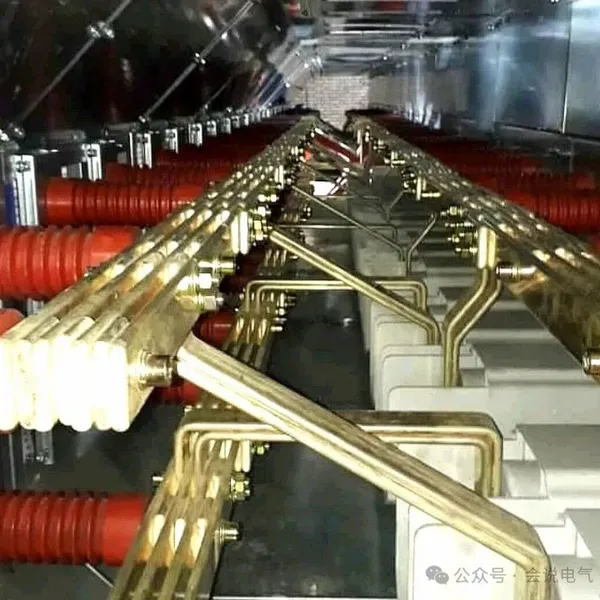 Read More
 -
Connection of copper bars in switchgear
September 14, 2026Switchgear is not simply using copper bars to connect components according to a system diagram, which involves complex system engi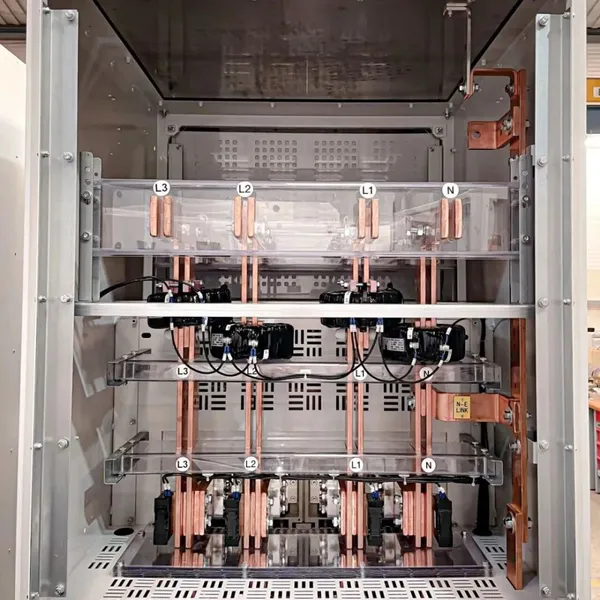 Read More

Contact Us
Recommended Products
-
 Single Phase Oil Immersed Transformer 10KVA 15KVA 25KVA 37.5KVA Standard CompliantNegotiableMOQ: 2 Units
 -
Electrical Arc Furnace Transformers up to 120MVA - Certified for Steel Industry ApplicationsUS$ 8000 - 10000MOQ: 1 Unit
-
3-Phase Oil Type Transformer 5-Year Warranty With Load Test ReportUS$ 5428 - 5628MOQ: 1 Unit
-
Three Phase Oil Filled Transformer for Mining Operations Dust-Proof DesignUS$ 5428 - 5628MOQ: 1 Unit
-
HV Three Phase Oil Filled Transformer With ONAN Cooling 500kVA-2500kVAUS$ 5428 - 5628MOQ: 1 Unit
-
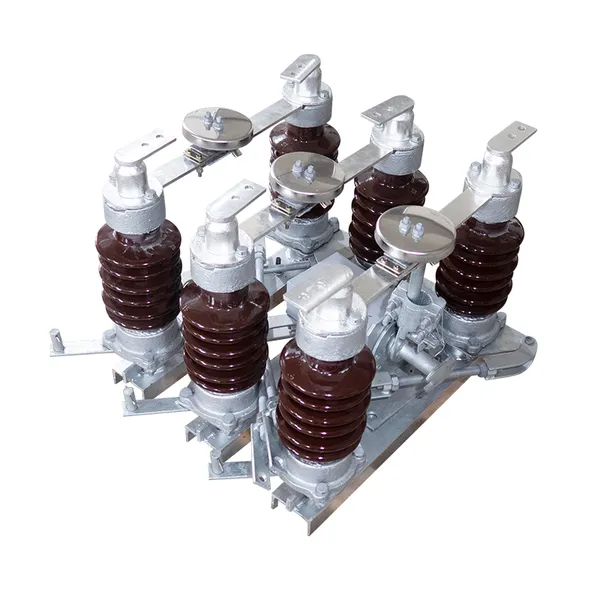
11/24/33KV High Voltage Isolation Switch With Mill Test ReportUS$ 800MOQ: 1 Unit
-
3-Pole Outdoor Isolation Switch With 5-Year Warranty and Compliance TestingUS$ 800MOQ: 1 Unit
-
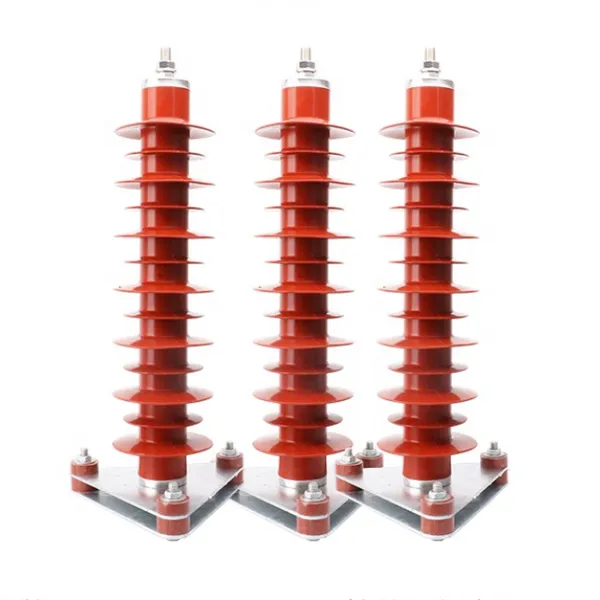
YH5WZ 3KV-110KV Zinc Oxide Arrester for Power Station Outdoor High Voltage DistributionUS$ 21MOQ: 100 Units
-
Outdoor SF6 Load Break Switch LW30-72.5/1250A 24KV 630A 16KA Three PhaseUS$ 10000MOQ: 1 Unit
-
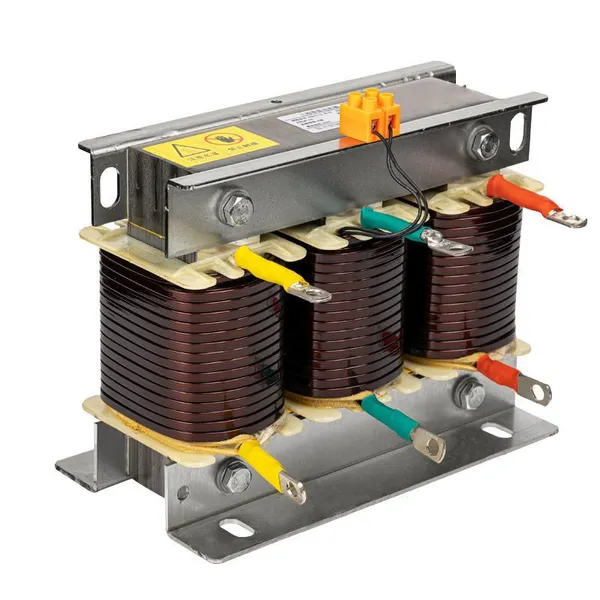
Input Line Reactor for CNC Machine Frequency Converters, 400V 60HzUS$ 65MOQ: 5 Units
-
Industrial Grade 35-220KV Oil-Immersed Current Transformer for SubstationsUS$ 480 - 500MOQ: 3 Units
-
LZZBJ9-20 Indoor 24kV High Voltage Cabinet Single-Phase 5-20 for Industrial Power SystemsUS$ 250MOQ: 3 Units
-
17.5 KV Full-enclosed Outdoor Epoxy Resin Casting and Double Pole Insulated Voltage TransformerUS$ 90 - 100MOQ: 1 Piece
-
Three Phase 30kVA SVC Voltage Regulator for Textile Manufacturing, Stable OutputUS$ 159MOQ: 10 Units
-
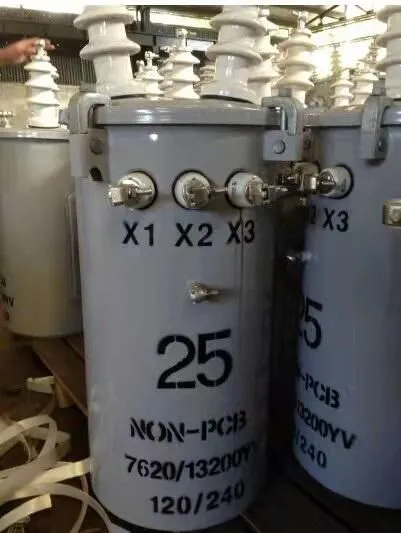
Amorphous Core 25kVA Transformer Compliant With IEC Standards for Power DistributionUS$ 1300 - 2900MOQ: 2 Units
-
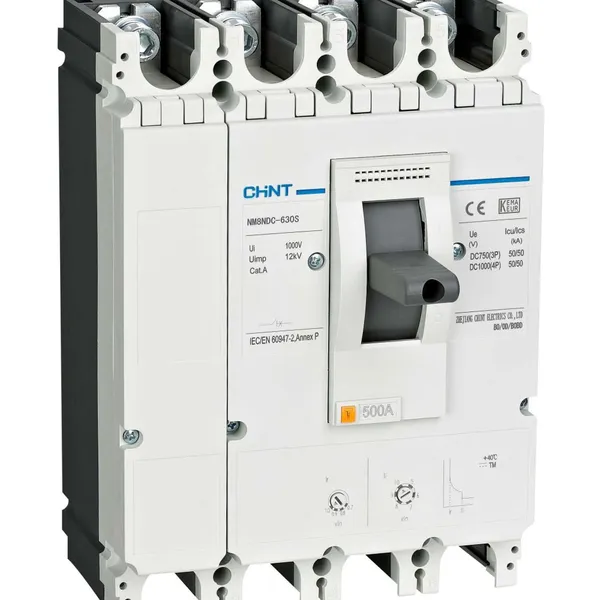
CHINT NM8NDC-630 DC 1000V/Ui High-Voltage Circuit Breaker With 630A Frame CurrentUS$ 425 - 625MOQ: 100 Units
-
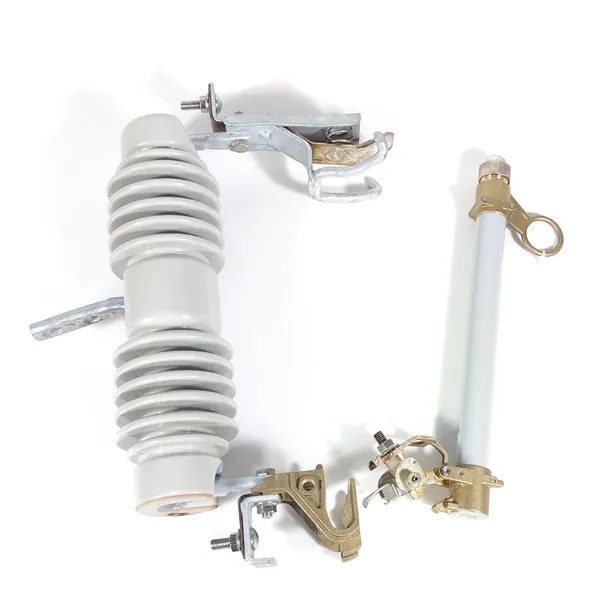
High Voltage Drop Out Fuse Cutout 33KV 27KV 24KV for Overhead LinesUS$ 35MOQ: 100 Units
-
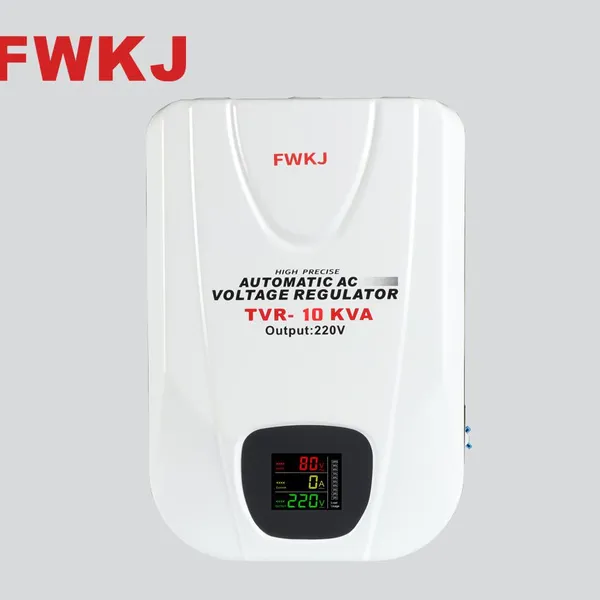
TVR-10 KVA Automatic Voltage Stabilizer 220V ±0.5% Accuracy for Laboratory InstrumentsUS$ 103 - 123MOQ: 1 Unit
-
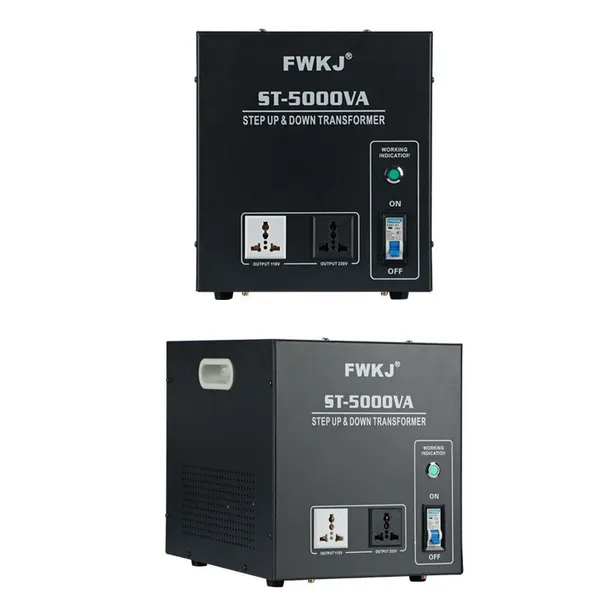
Universal 5000VA Voltage Transformer for International Appliances 110V-220VUS$ 102 - 107MOQ: 10 Units
-
500kV Three-Phase Oil-Immersed Auto Transformer 250MVA for Power GridsUS$ 800 - 9000MOQ: 1 Unit