
 Business License

Bus insulation of North American switchgear
The North American IEEE C37.20.2 standard for medium voltage armored switchgear requires full insulation of the busbar, including no exposed high-voltage live parts at the connection points. Based on this requirement, the clear distance between the busbar and the cabinet is very small, so insulation protection of the busbar is crucial.
Epoxy insulation material coated busbars are used for busbars in metal armored switchgear with rated voltages above 15 kV, as well as other insulation applications with special requirements.
The production process includes preheating the copper busbar, immersing it in a liquid epoxy resin mixture, removing the coating on unnecessary areas (contact surfaces, etc.), and curing the coated busbar at high temperatures.
The copper busbar coating needs to pass the tests required by ANSI/IEEE C37.20.2 standard, including § 6.2.1.3 busbar insulation test and § 6.2.7 insulation flame retardant test.
Busbar insulation test, testing the busbar and busbar connections according to the insulation voltage of the corresponding switchgear.
The C37.20.2 American standard for metal armored switchgear stipulates that the switchgear shall not have exposed busbars and shall be coated with epoxy resin. And demonstrate flame retardancy through flame testing conducted in accordance with 6.2.7.1.4;
• Sample: A copper rod with a diameter of approximately 19 millimeters and a length of 56 centimeters, with a coating thickness ranging from 1.5 millimeters to 3.2 millimeters;
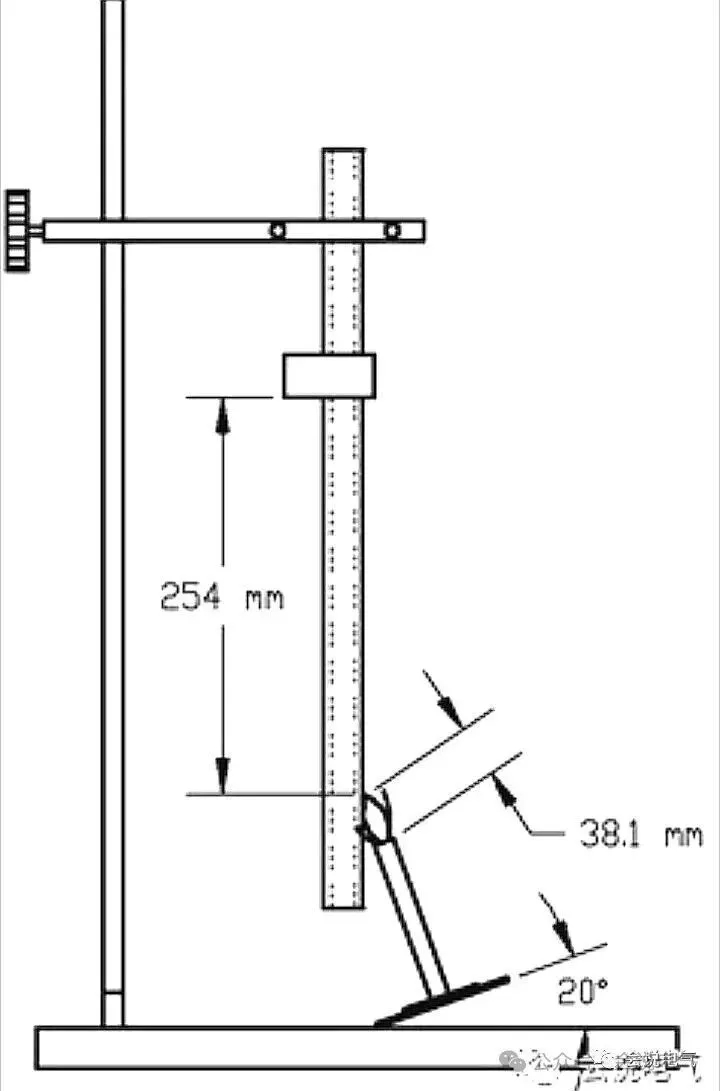
The test should be conducted in a well ventilated room, and one end of the specimen, approximately 56 centimeters (22 inches) in length, should be clamped at the upper end of the chamber. The lower edge of the paper indicator is 25 centimeters (10 inches) higher than the point of the blue flame inside the test
The indicator should be wrapped around the sample and fixed with adhesive on the conductor side;
If more than 25% of the indicator extension is ignited after five flame applications, it is considered that the sample has passed the flame. Record the duration of the fifth combustion sample, and any sample that continues to burn for more than 1 minute is considered to have failed the test.
The material and process of epoxy insulation coating have been used in the switch industry for 40 years or more. This is also similar to the epoxy resin fluidized bed coating of busbars, where the immersion process is chosen instead of the fluidized bed process because the final coating is stronger and the process itself is less affected by factory environmental conditions.
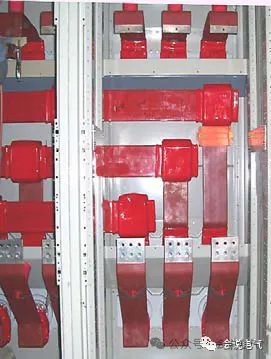
Some advantages of epoxy resin impregnation process are:
The insulation is very strong and has excellent insulation performance.
Conductors of any size and shape can be easily coated, allowing for a more optimal shape from the perspectives of current carrying and electric fields.
Coating can be applied to already bent copper bars, eliminating the need for tape or protective covers at the bends.
Unlike some heat shrink tubing, the insulation material is consistent with the copper bar at all angles and bends. The heat shrink tubing may pull away from the copper bar on the inside of the bend.
Due to the coating being attached to the surface of the busbar, it is not possible to set up partial discharge points between the busbar surface and the insulation layer. This is particularly important when the voltage is above 15 kV.
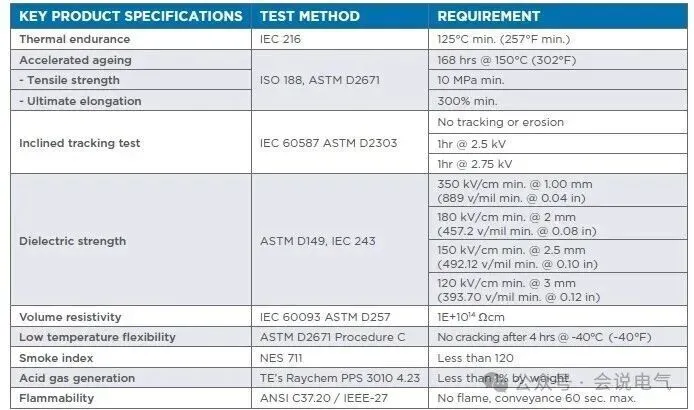
Someone asked if heat shrink tubing can be used, although Raychem's heat shrink tubing also has UL certification, meets insulation requirements, and flame retardant tests comply with ANSI C37.20/IEEE-27 standards without flame, with a duration of less than 60 seconds.
However, mainstream American standard switchgear such as Eaton, SQUARE-D, PAWELL, etc. do not use heat shrink tubing as busbar insulation. Firstly, it is based on tradition. Secondly, special shaped busbars are not suitable for using heat shrink tubing and are prone to insulation degradation due to bumps. After high temperature, they will crack and reduce insulation capacity.
Recently Posted
-
TRV of North American standard medium voltage circuit breakers
November 2, 2026Q: What is transient recovery voltage? Answer The contact part of the circuit breaker during the breaking process generates an arc Read More
-
The suitability and suitability of switchgear
October 28, 2026In today's society, people's lives are diverse and their needs are varied, and automated flexible manufacturing meets pers
Read More -
Interlocking requirements for double busbar switchgear
October 26, 2026There are many ways for medium voltage distribution systems. For primary distribution, the commonly used method is radiation power Read More
-
Solution for 38kV switchgear in North American data centers
October 23, 2026Many data centers in North America urgently need 38kV switchgear, whether it is air insulated or gas insulated switchgear, requiring the production of dozens or even hundreds of units within one or two months. Some domestic manufacturers of gas insulated switchgear have North American certification, while none of them have North American certification for air insulated switchgear. The procurement cycle for circuit breakers, tRead More

Contact Us
Recommended Products
-
 Single Phase Oil Immersed Transformer 10KVA 15KVA 25KVA 37.5KVA Standard CompliantNegotiableMOQ: 2 Units
-
Electrical Arc Furnace Transformers up to 120MVA - Certified for Steel Industry ApplicationsUS$ 8000 - 10000MOQ: 1 Unit
-
3-Phase Oil Type Transformer 5-Year Warranty With Load Test ReportUS$ 5428 - 5628MOQ: 1 Unit
-
Three Phase Oil Filled Transformer for Mining Operations Dust-Proof DesignUS$ 5428 - 5628MOQ: 1 Unit
-
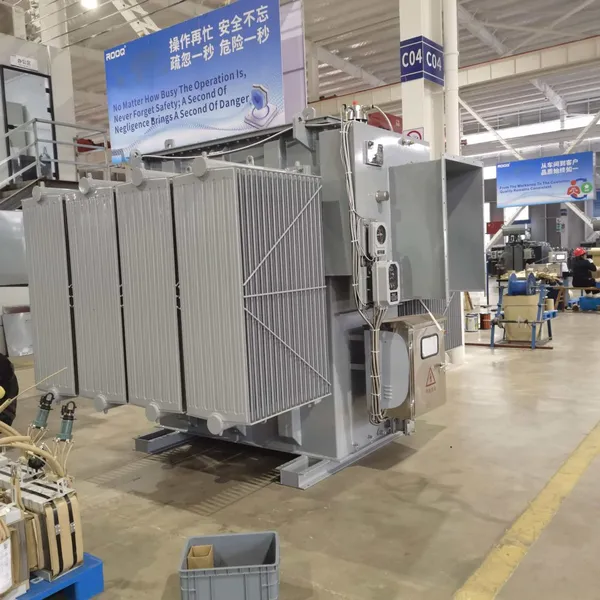
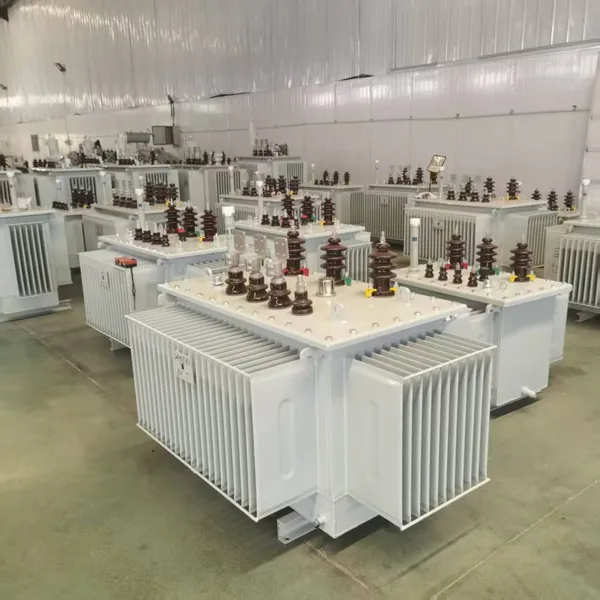
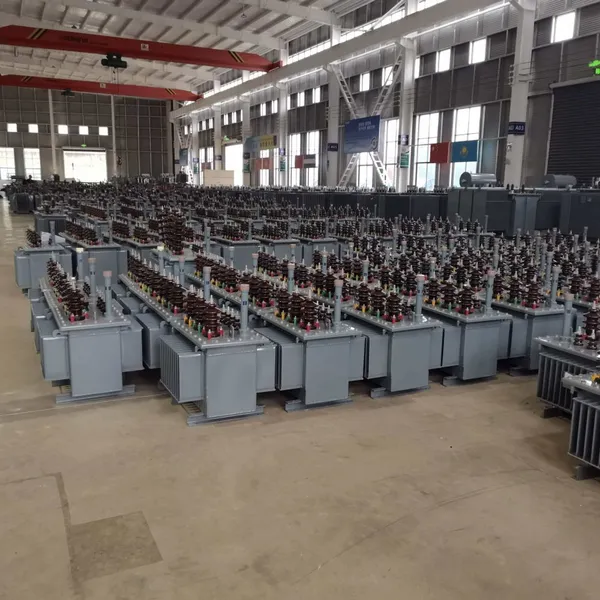
HV Three Phase Oil Filled Transformer With ONAN Cooling 500kVA-2500kVAUS$ 5428 - 5628MOQ: 1 Unit
-
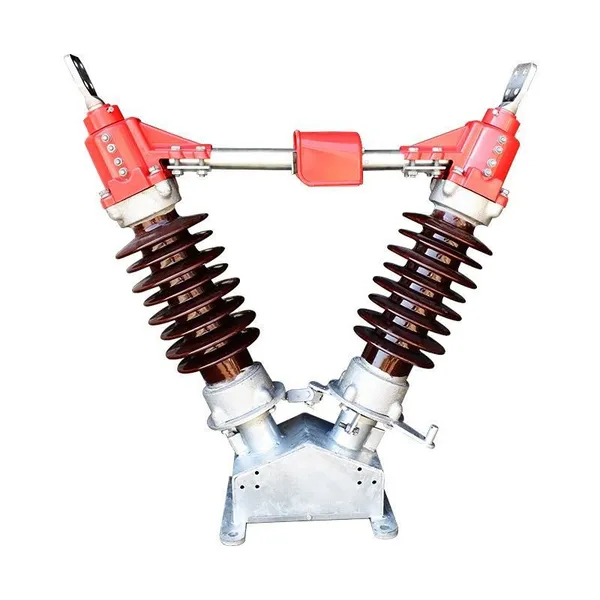
11/24/33KV High Voltage Isolation Switch With Mill Test ReportUS$ 800MOQ: 1 Unit
-
3-Pole Outdoor Isolation Switch With 5-Year Warranty and Compliance TestingUS$ 800MOQ: 1 Unit
-
YH5WZ 3KV-110KV Zinc Oxide Arrester for Power Station Outdoor High Voltage DistributionUS$ 21MOQ: 100 Units
-
Outdoor SF6 Load Break Switch LW30-72.5/1250A 24KV 630A 16KA Three PhaseUS$ 10000MOQ: 1 Unit
-
Input Line Reactor for CNC Machine Frequency Converters, 400V 60HzUS$ 65MOQ: 5 Units
-
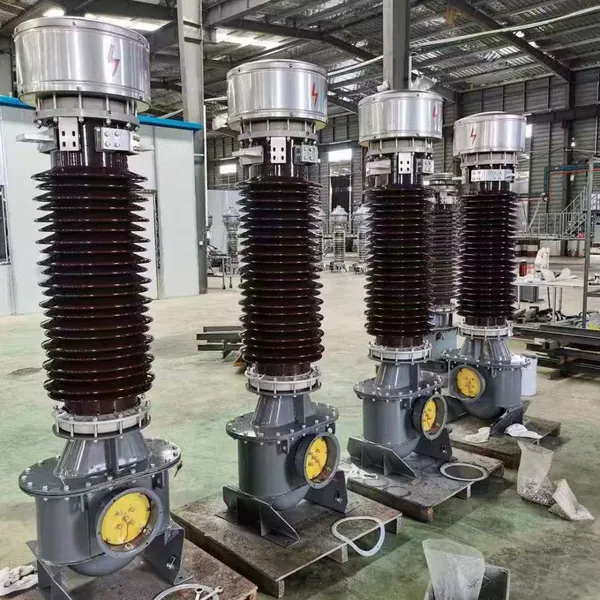
Industrial Grade 35-220KV Oil-Immersed Current Transformer for SubstationsUS$ 480 - 500MOQ: 3 Units
-
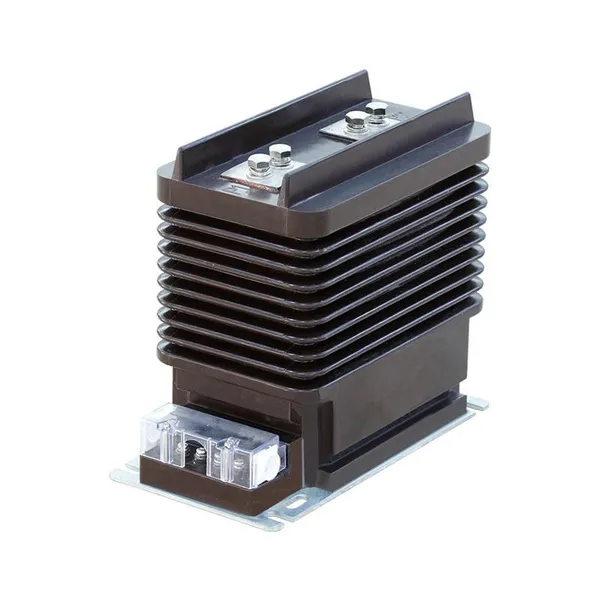
LZZBJ9-20 Indoor 24kV High Voltage Cabinet Single-Phase 5-20 for Industrial Power SystemsUS$ 250MOQ: 3 Units
-
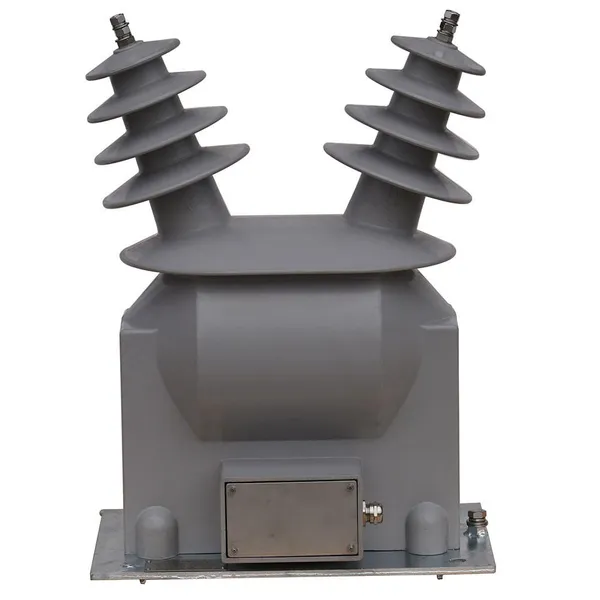
17.5 KV Full-enclosed Outdoor Epoxy Resin Casting and Double Pole Insulated Voltage TransformerUS$ 90 - 100MOQ: 1 Piece
-
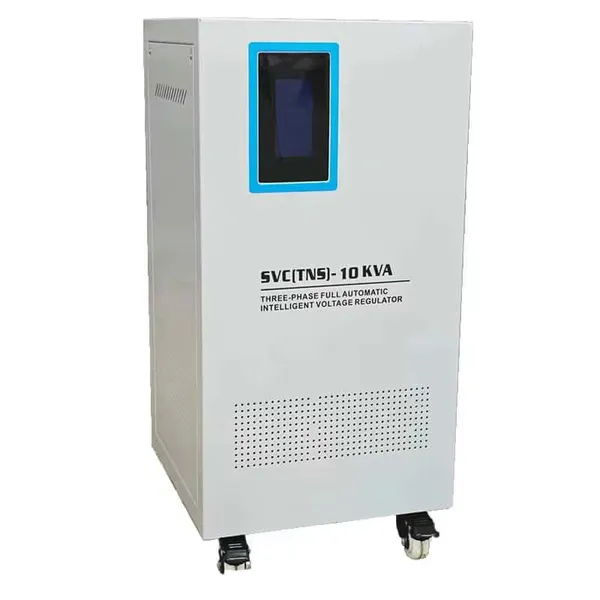
Three Phase 30kVA SVC Voltage Regulator for Textile Manufacturing, Stable OutputUS$ 159MOQ: 10 Units
-
Amorphous Core 25kVA Transformer Compliant With IEC Standards for Power DistributionUS$ 1300 - 2900MOQ: 2 Units
-
CHINT NM8NDC-630 DC 1000V/Ui High-Voltage Circuit Breaker With 630A Frame CurrentUS$ 425 - 625MOQ: 100 Units
-
High Voltage Drop Out Fuse Cutout 33KV 27KV 24KV for Overhead LinesUS$ 35MOQ: 100 Units
-
Universal 5000VA Voltage Transformer for International Appliances 110V-220VUS$ 102 - 107MOQ: 10 Units
-
500kV Three-Phase Oil-Immersed Auto Transformer 250MVA for Power GridsUS$ 800 - 9000MOQ: 1 Unit
-
6mm 8mm 10mm 12mm 16mm 19mm 22mm Panel Mount Metal Led Indicator Light Lead Wire Connection Indicator LampsUS$ 0.45MOQ: 100 Units