
 Business License

Internal arc release of low voltage switchgear in North America
IEEE C37.20.7-2007/Cor 1-2010IEEE Guide for Testing Metal-Enclosed Switchgear Rated up to 38 kV for Internal Arcing Faults Unlike GB/IEC standards, which have different internal arc test standards for medium voltage and low voltage switchgear, IEC 62271-200 and Appendix A of GB/T3906 only define the internal arc test standards for medium voltage switchgear. GB/T 18859 and IEC61641 are test guidelines for enclosed low voltage switchgear and control equipment in the event of internal faults causing arcs. The ANSI/IEEE C37.20.7 standard is a testing standard for the resistance of metal enclosed switchgear to internal arcing in North America, including low-voltage distribution switchgear, motor control centers, medium voltage switchgear, motor control centers, and other equipment that require internal arcing testing to be carried out in accordance with this standard. Suitable for all metal enclosed switchgear with voltage levels below 38kV, these devices are commonly used in industrial, commercial, and residential distribution systems as critical equipment for power distribution and control. This standard pays special attention to the testing of internal arc faults to ensure that the switchgear can quickly and effectively cut off the circuit in the event of a fault, preventing dangerous situations such as fires and explosions caused by arc faults. --Type 1. Switchgear with arc resistant design or function only located in a freely accessible position at the front of the device. --Type 2. Switchgear with arc resistant design or function only on external surfaces (front, back, and side) that are freely accessible to the device. The preferred value for the test voltage is the maximum rated voltage of the equipment. If it cannot be achieved due to laboratory limitations, a reduced voltage can be used. Suggest reducing the voltage by no less than 60% of the maximum rated voltage of the equipment. It is not recommended to conduct voltage drop testing on equipment with a rated voltage of 5 kV or below. The duration of the short-circuit current is 0.5s.
Unlike IEC standards, internal arc testing focuses on the test itself, as long as it meets the criteria, even if the interior of each compartment in the switchgear is completely destroyed, there is no problem. The C37.20.7 standard focuses more on the structure and the impact of internal arc testing. If it is necessary to verify the instrument room, that is, the instrument room is in normal use, the internal arc test of other compartments should not affect the instruments, etc.
Due to the multi-layered vertical layout of low voltage and medium voltage switchgear in North America, it is required that the vertical parts be fully equipped. The physical models of internal components can be replaced as long as they have the same volume and similar materials as the original item.
The compartments within the vertical cross-section should represent the minimum volume and maximum unsupported wall surface of the largest component used in the design. The sample should include the maximum number of openings designed for equipment ventilation and the minimum number of openings designed for arc fault pressure relief. The North American low-voltage switchgear has distinct compartments, from front to back, including functional unit compartments (including instrument compartments), vertical busbar compartments, horizontal busbar and cable connection compartments. Each compartment cabinet has a separate pressure release channel at the top, and the pressure cover plate is opened before releasing to the horizontal pressure release channel.
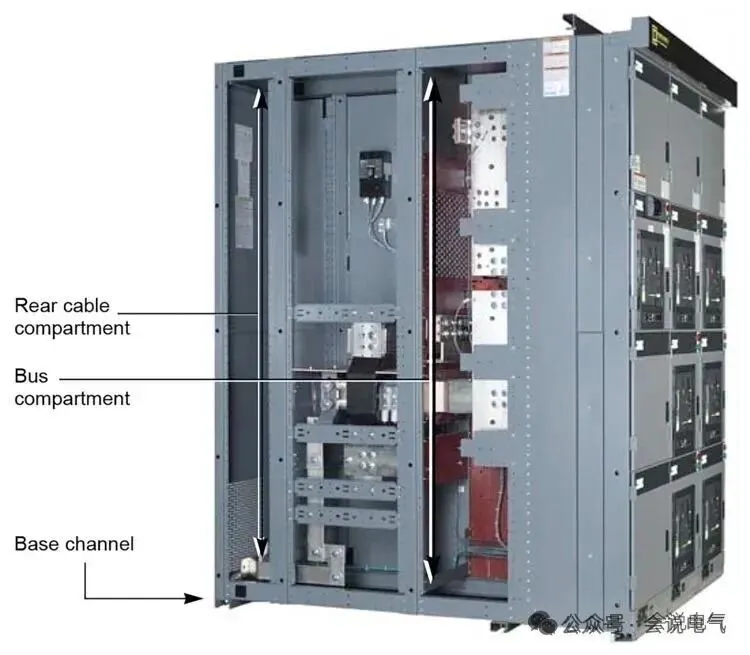
Before starting the testing, all ventilation openings designed for equipment cooling and designed to close during overpressure events must be open and functioning properly.
If the equipment is intended to be used with control devices such as relays and instruments installed on exposed doors or covers, representative samples of these devices should be present on the sample. When this is not feasible, the compartment directly behind the installation point should be evaluated to verify that any abnormal pressure generated during the testing process will not cause the installed equipment to shift or be exposed to the arc. The indicator should be placed inside the compartment to verify that the impact of the fault will not enter the compartment.
Pressure relief device for low voltage switchgear in North America
Any opening created by the manufacturing, assembly, or modification of the equipment, if intentionally covered, blocked, or similar devices, may be installed. In this test, openings that are not intentionally covered must not be blocked under any circumstances. The pressure relief channel is a common application for low voltage switchgear and motor control cabinets in North America that are resistant to internal arc levels. Through the pressure relief channel, the internal arc pressure flame of the switchgear is released to the safe space outside the distribution room, minimizing damage to other equipment in the distribution room.
Recently Posted
-
Typical scheme structure of North American gas filling cabinet
October 13, 2026North American standard inflatable cabinetRated voltage: 5/15/27/38kVRated current: 1200/2000/3000ARated short-time withstand curr Read More
 -
Power module/SST medium voltage input solution
October 12, 2026Miniaturization is the key to current prefabricated modular solutions, and the miniaturization of vacuum circuit breakers makes me Read More
 -
North American medium voltage switchgear solution
October 10, 2026Currently, there is a large demand for medium voltage switchgear in North American data centers, and local suppliers' producti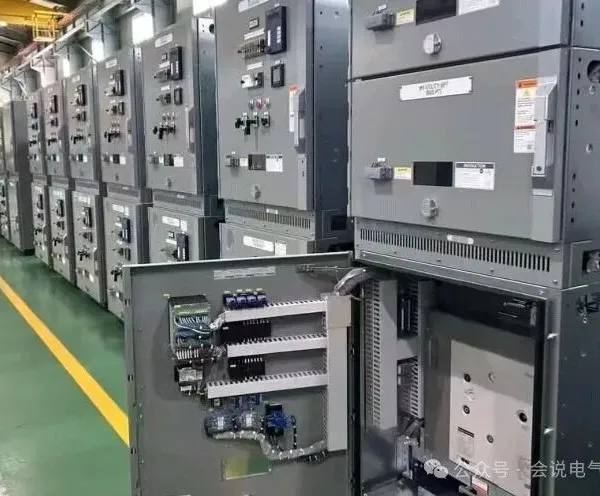 Read More
 -
600mm wide 17.5kV switchgear
October 10, 202617.5kV is the IEC standard voltage level, applied in power systems with voltages of 13.2/13.8/15kV. IEC 17.5kV metal enclosed swit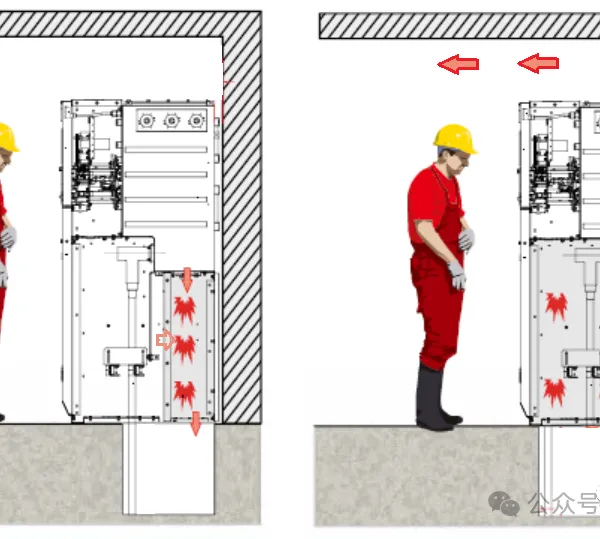 Read More

Contact Us
Recommended Products
-
 Single Phase Oil Immersed Transformer 10KVA 15KVA 25KVA 37.5KVA Standard CompliantNegotiableMOQ: 2 Units
 -
Electrical Arc Furnace Transformers up to 120MVA - Certified for Steel Industry ApplicationsUS$ 8000 - 10000MOQ: 1 Unit
-
3-Phase Oil Type Transformer 5-Year Warranty With Load Test ReportUS$ 5428 - 5628MOQ: 1 Unit
-
Three Phase Oil Filled Transformer for Mining Operations Dust-Proof DesignUS$ 5428 - 5628MOQ: 1 Unit
-
HV Three Phase Oil Filled Transformer With ONAN Cooling 500kVA-2500kVAUS$ 5428 - 5628MOQ: 1 Unit
-
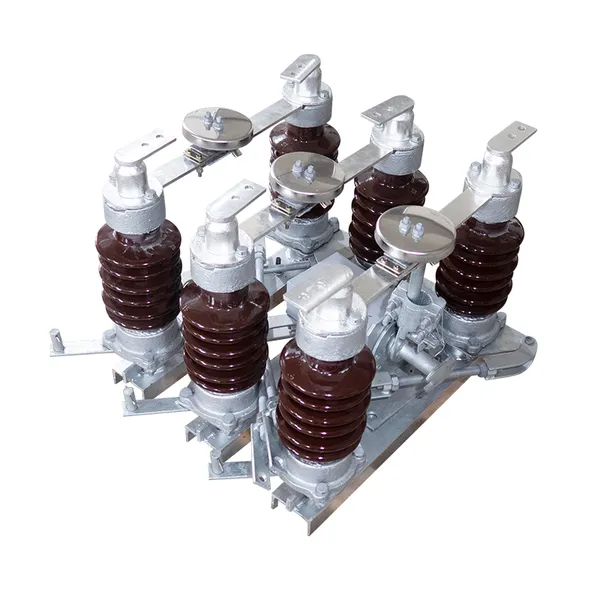
11/24/33KV High Voltage Isolation Switch With Mill Test ReportUS$ 800MOQ: 1 Unit
-
3-Pole Outdoor Isolation Switch With 5-Year Warranty and Compliance TestingUS$ 800MOQ: 1 Unit
-
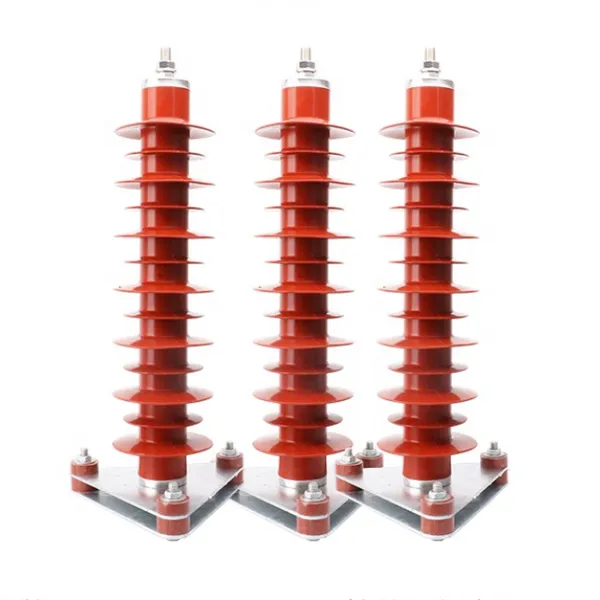
YH5WZ 3KV-110KV Zinc Oxide Arrester for Power Station Outdoor High Voltage DistributionUS$ 21MOQ: 100 Units
-
Outdoor SF6 Load Break Switch LW30-72.5/1250A 24KV 630A 16KA Three PhaseUS$ 10000MOQ: 1 Unit
-
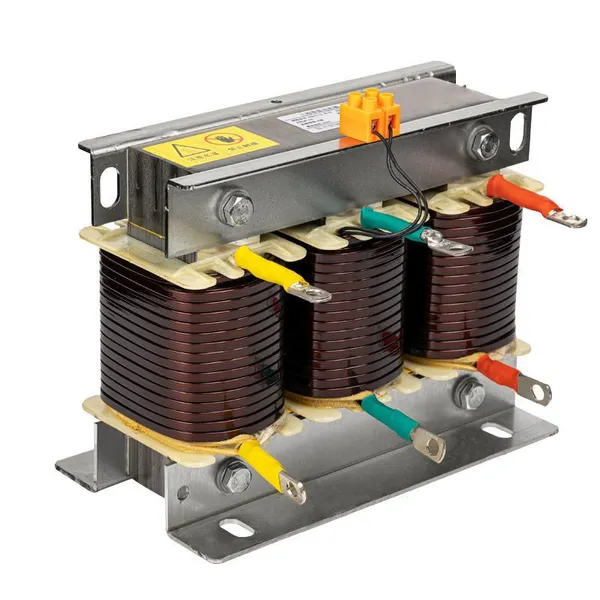
Input Line Reactor for CNC Machine Frequency Converters, 400V 60HzUS$ 65MOQ: 5 Units
-
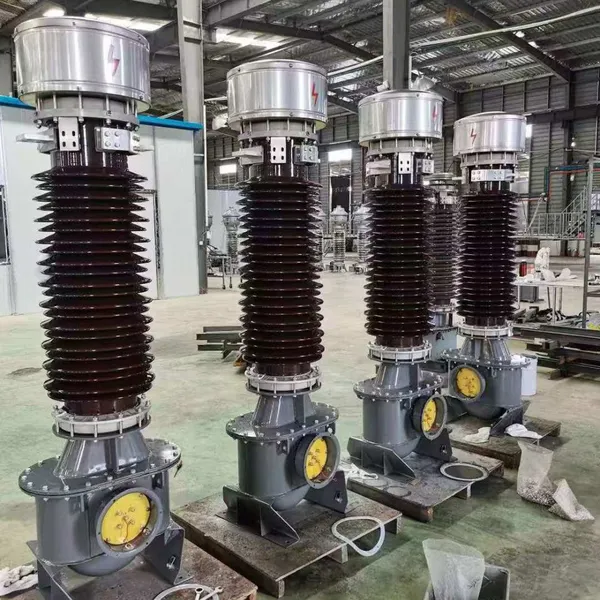
Industrial Grade 35-220KV Oil-Immersed Current Transformer for SubstationsUS$ 480 - 500MOQ: 3 Units
-
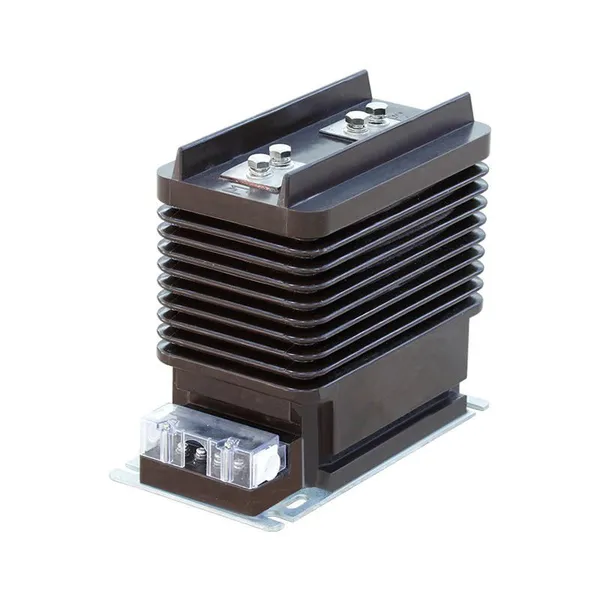
LZZBJ9-20 Indoor 24kV High Voltage Cabinet Single-Phase 5-20 for Industrial Power SystemsUS$ 250MOQ: 3 Units
-
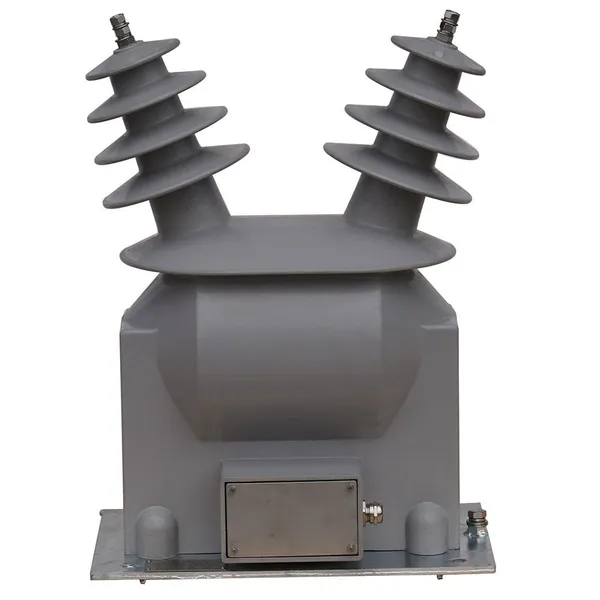
17.5 KV Full-enclosed Outdoor Epoxy Resin Casting and Double Pole Insulated Voltage TransformerUS$ 90 - 100MOQ: 1 Piece
-
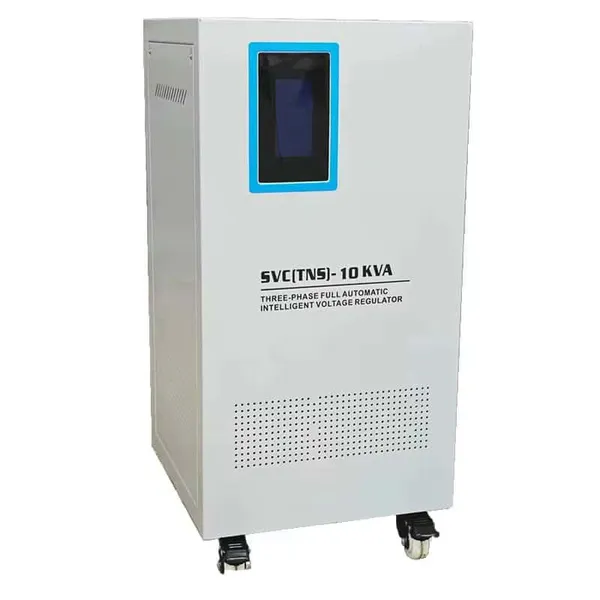
Three Phase 30kVA SVC Voltage Regulator for Textile Manufacturing, Stable OutputUS$ 159MOQ: 10 Units
-
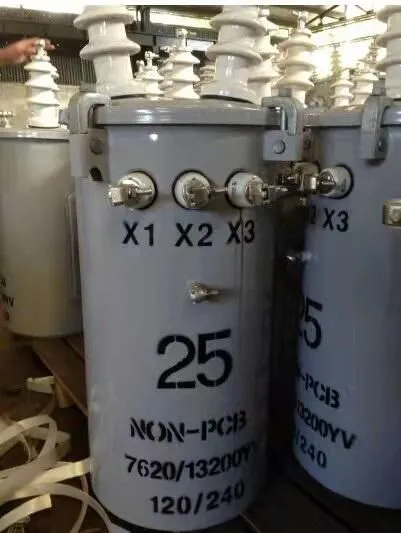
Amorphous Core 25kVA Transformer Compliant With IEC Standards for Power DistributionUS$ 1300 - 2900MOQ: 2 Units
-
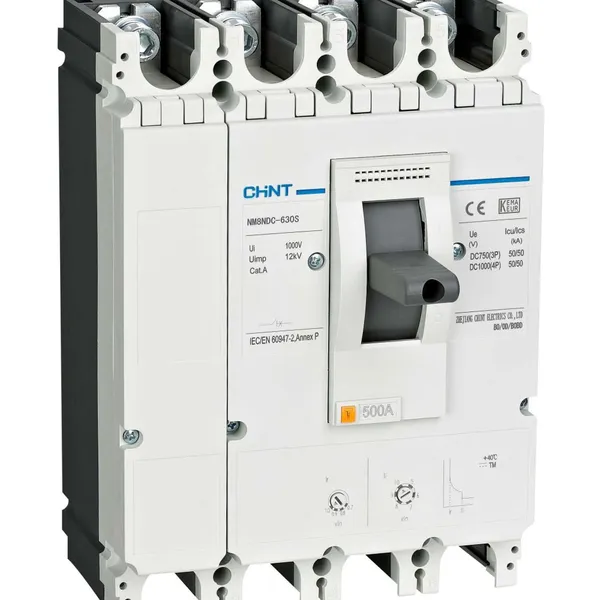
CHINT NM8NDC-630 DC 1000V/Ui High-Voltage Circuit Breaker With 630A Frame CurrentUS$ 425 - 625MOQ: 100 Units
-
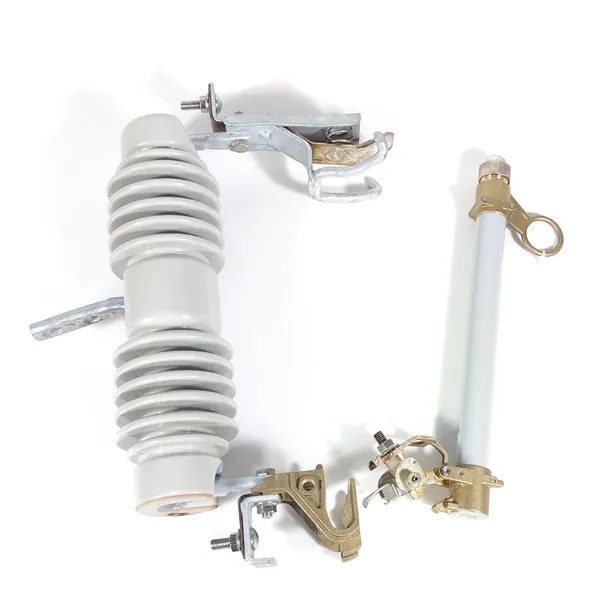
High Voltage Drop Out Fuse Cutout 33KV 27KV 24KV for Overhead LinesUS$ 35MOQ: 100 Units
-
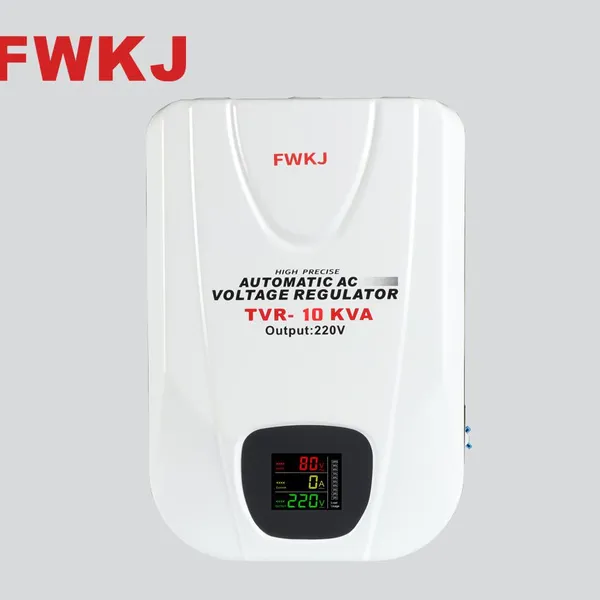
TVR-10 KVA Automatic Voltage Stabilizer 220V ±0.5% Accuracy for Laboratory InstrumentsUS$ 103 - 123MOQ: 1 Unit
-
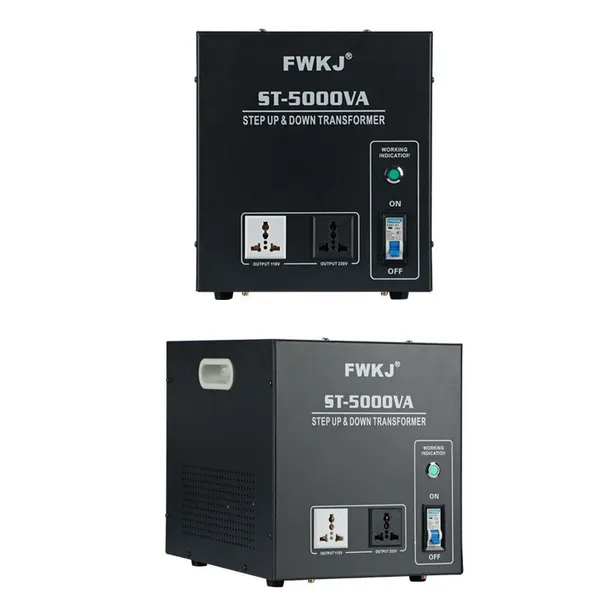
Universal 5000VA Voltage Transformer for International Appliances 110V-220VUS$ 102 - 107MOQ: 10 Units
-
500kV Three-Phase Oil-Immersed Auto Transformer 250MVA for Power GridsUS$ 800 - 9000MOQ: 1 Unit